
Boots on the Ground: Is the Army the Answer to the Cape Flats Crisis?
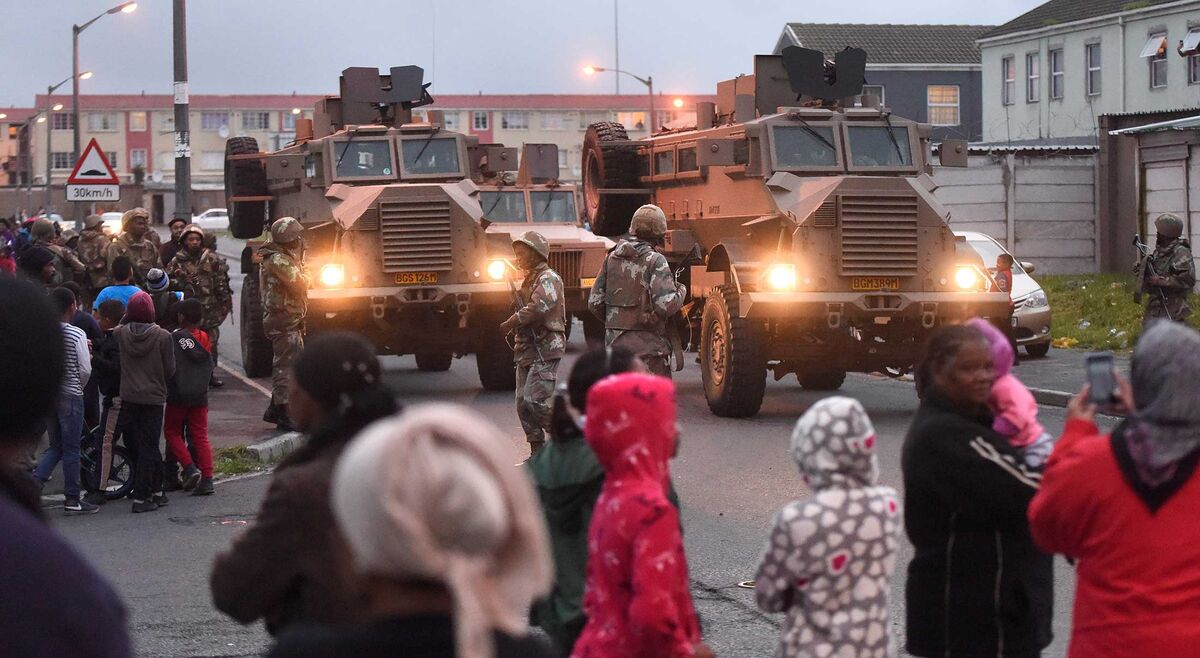
In his 2026 State of the Nation Address, President Cyril Ramaphosa once again reached for a familiar, heavy-handed tool to address the spiraling violence in crime-ridden communities: the South African National Defence Force (SANDF). The announcement that soldiers will be deployed to the Cape Flats and parts of Gauteng to "tackle organized crime" has been met with a mixture of desperate relief from some residents and deep skepticism from crime experts.
For the mother in Manenberg who fears her child will be hit by a stray bullet on the way to school, any uniform is a sign of hope. But as a nation, the questions must be asked: “Is sending the army into our streets a genuine solution, or is it just a temporary lid on a pot that is already boiling over?”
A History Written in Forced Removals
To understand why the Cape Flats is a "war zone" today, it must be looked at where it came from. The violence on the streets isn't just a "crime problem"; it is a historical scar.
Under the Group Areas Act of 1950, the apartheid government forcibly removed thousands of families from vibrant, stable communities like District Six and Harfield Village. They were dumped into the "Cape Flats"—a sandy, inhospitable strip of land far from jobs and proper services.
-
Social Fragmentation: These removals tore apart the "social glue"—the grandmothers, neighbors, and community leaders who kept kids in check.
-
The Rise of Gangs: Groups like the Globe Gang originally started as community self-defense units in the 1940s. But when the state became the enemy and the economy shut people out, these groups morphed into the sophisticated criminal syndicates we see today.
-
Economic Survival: In a place where unemployment is the norm, the "criminal economy" became the only employer. Gangs don't just offer identity; they offer a "paycheck" in a world that has forgotten the working class.

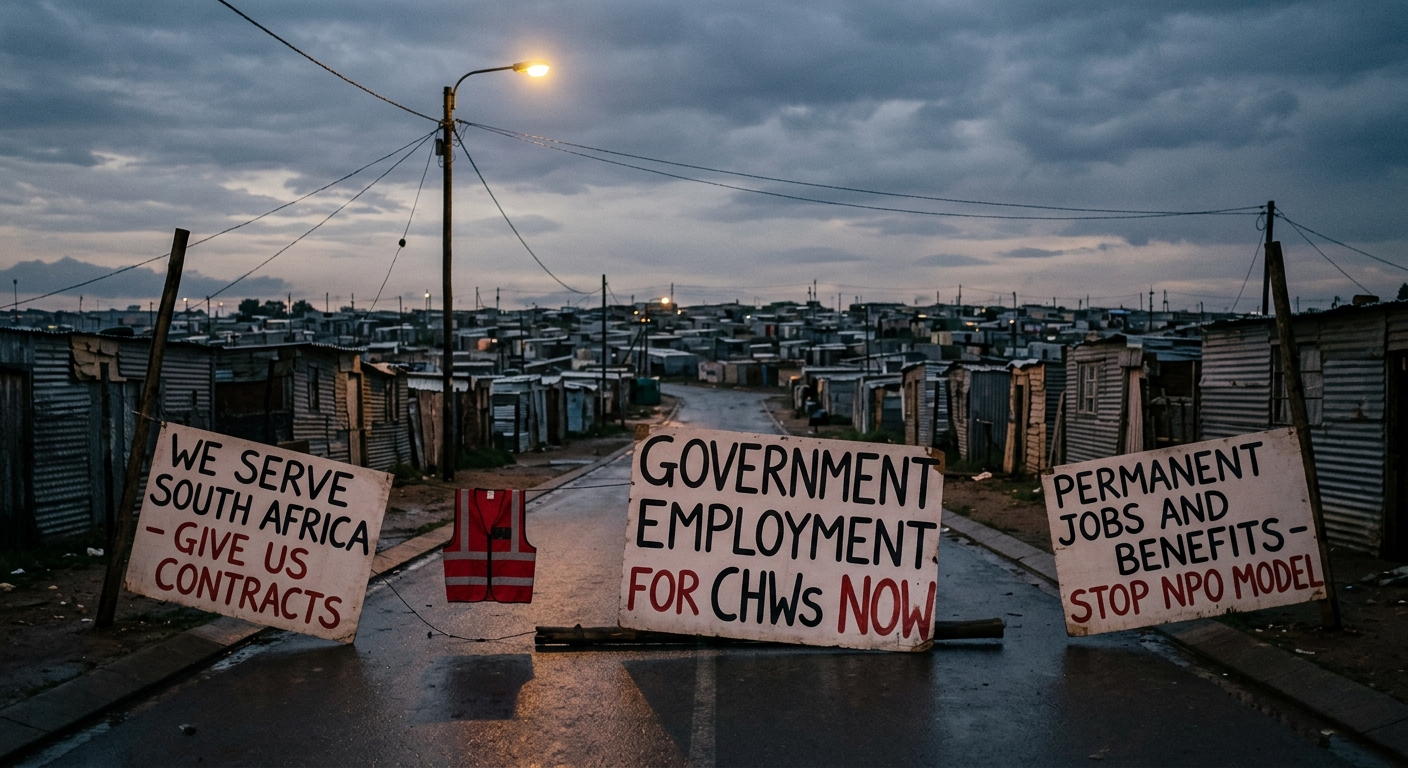
Image Source: NY Times
The Army: A Band-Aid on a Gaping Wound
The President’s plan to use the SANDF as a "force multiplier" sounds strong in a speech, but the history of these deployments (like Operation Prosper in 2019) tells a different story. Research shows that while murders might dip for a few weeks when the soldiers arrive, they often spike again the moment the boots leave the pavement.
The Reality Check:
-
Soldiers aren't Detectives: An army is trained to fight an external enemy, not to build a legal case. They can't do the hard work of gathering evidence, interviewing witnesses, or securing a conviction in court.
-
Militarization of Poverty: When a community is treated like a battlefield, it further alienates the people living there. The "working class" deserves professional policing, not a permanent military occupation.
-
A Sign of Failure: Many argue that calling in the army is an admission that the South African Police Service (SAPS) has failed
The Real "Solution Driven" Strategy
If the government wants to stop the bullets, they have to stop the reasons why people pick up the guns. Real safety doesn't come from a rifle; it comes from a dignified life. Here are the "innovative" solutions that should be getting the same funding as a military deployment:
|
Solution Area |
What it looks like in practice |
|
Employment |
Massive investment in public works and local manufacturing within townships to give young men an alternative to the gang "payroll." |
|
Education |
Specialized technical colleges and after-school programs that stay open until 8 PM, keeping kids off the streets and in a safe environment. |
|
Service Delivery |
Fixing street lights, clearing bushes, and ensuring clean water. Criminals thrive in darkness and neglected spaces. |
|
Social Support |
Funding for organizations and community-based mentoring that help at-risk youth find a path out of the gang cycle. |
President Ramaphosa’s deployment might bring a few weeks of quiet, but quiet is not the same as peace. Until a young man in Bonteheuwel or Lavender Hill sees a future in a classroom or organisation that is more profitable than a life in a gang, the cycle will continue.
There is no need for a war on people; there is a need for war on the conditions that create gangsters.






.gif)