
Recognising Heart Attack Warning Signs and Effective Responses to Save Lives
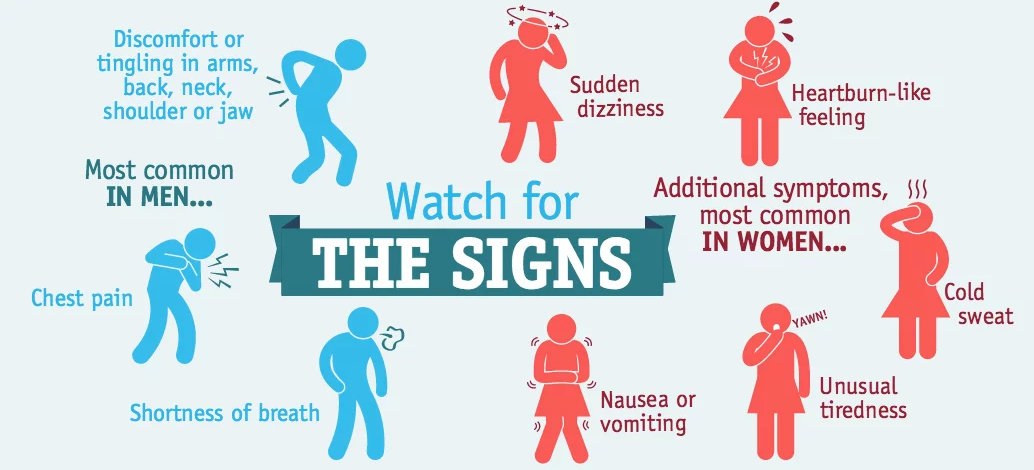
It can save lives to recognise the warning signs of a heart attack and know how to react. Myocardial infarction, often known as a heart attack, frequently manifests as a variety of symptoms that vary from person to person.
Signs of a Heart Attack:
-
Chest Pain: This may feel like pressure, tightness, or squeezing in the chest, lasting more than 15 minutes.
-
Upper Body Discomfort: Pain can radiate to the arms, back, neck, jaw, or stomach.
-
Shortness of Breath: This may occur with or without chest pain.
-
Other Symptoms: These can include light-headedness, sweating, nausea, or an overwhelming sense of anxiety.
Older people and women may have less common symptoms like indigestion or weariness. Contact emergency services right away if you think you may be having a heart attack.
Preparing for a Heart Attack
Preparation can significantly impact outcomes. Here are steps to take:
-
Know Your Risk Factors: Factors like family history, high blood pressure, and diabetes increase risk.
-
Educate Yourself: Familiarize yourself with the symptoms and emergency procedures.
-
Keep Emergency Contacts Handy: Have a list of emergency numbers accessible.
Taking Care of a Heart Attack Victim
If a person is having a heart attack:
-
Make an emergency service call: Call for assistance immediately; time is essential.
-
Keep Them Calm: Urge them to take a seat and relax. Steer clear of needless movement.
-
Give Aspirin: If they can swallow and are not allergic, give them an adult dosage of aspirin to help thin the blood.
-
Keep an Eye on Their Condition: Keep an eye out for any changes in their symptoms and be prepared to do CPR if they stop responding.
What to Do If You Are Alone
If you experience a heart attack alone:
-
Call for Help: Dial emergency services immediately.
-
Rest and Stay Calm: Find a safe place to sit or lie down while waiting for help.
-
Consider Aspirin: If you have it available and are not allergic, chew an aspirin to help with blood flow
Preventing Heart Attacks
Preventive measures are key in reducing the risk of heart attacks:
-
Maintain a Healthy Diet: Focus on fruits, vegetables, whole grains, and lean proteins while avoiding processed foods.
-
Stay Active: Aim for at least 150 minutes of moderate exercise weekly.
-
Avoid Tobacco: Smoking is a significant risk factor; quitting can greatly reduce your risk.
-
Manage Stress and Health Conditions: Regular check-ups can help manage blood pressure and cholesterol levels effectively.
In the event of a heart attack, you may greatly enhance outcomes for both yourself and other people by identifying signs early and understanding how to react.














.gif)