Ramaphosa Approves 2026 Salary Hikes for Politicians

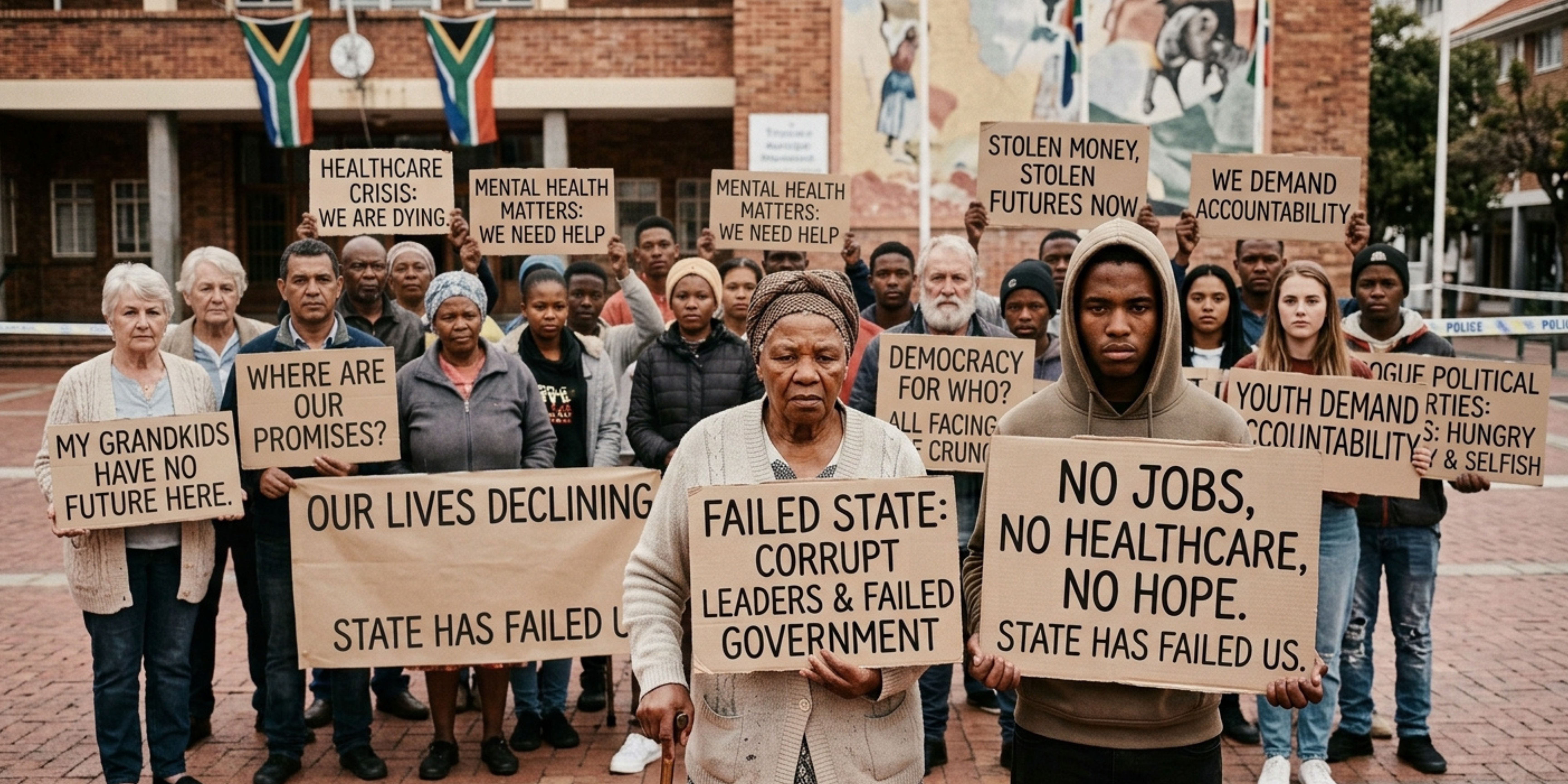
In a nation where many households are stretching every Rand to cover basic groceries and transport, the news of salary hikes for the country’s top earners often lands as a blow to South African Citizens.
Today, 20 January 2026, President Cyril Ramaphosa confirmed that public office-bearers will receive a salary increase effective 1 April 2026. While the Independent Commission for the Remuneration of Public Office-Bearers originally suggested a flat 4.1% increase, the President has opted for a tiered approach to slightly ease the burden on the national purse.
The Breakdown: Who Gets What?
The increases are split into two categories based on the nature of the work and the "fiscus"—which is essentially the government’s bank account.
|
Category |
Increase % |
Examples of Roles |
|
Judiciary & Institutions |
4.1% |
Judges, Magistrates, Traditional Leaders, Electoral Commission members. |
|
Executive & Legislators |
3.8% |
President, Ministers, MPs, Premiers, and Provincial Legislators. |
How These Increases Are Calculated
For many in the middle and lower income classes, a salary increase is often a negotiation between a boss and a union. In government, it’s a more formal, legal process.
The Independent Commission is a group of experts mandated by the Constitution to look at several factors before making a recommendation:
-
Inflation: How much more expensive has life become? (The "CPI" or Consumer Price Index).
-
Affordability: Does the state actually have the money in its coffers?
-
Responsibility: The level of stress and duty attached to the job.
-
Fairness: How these salaries compare to the private sector and other civil servants like teachers or nurses.
The Bitter Pill: Why "High Annual Incomes" Can Hurt the Nation
It might seem fair to give someone a 4% raise if prices went up by 5%, but when the starting salary is already in the millions, the math creates a massive gap. This is why economists and citizens alike are often concerned:
1. The "Crowding Out" Effect
South Africa spends roughly 35% of its entire budget on government wages. When this "wage bill" grows too large, there is less money left for "service delivery"—fixing potholes, building schools, or hiring more police officers. Essentially, the salary increases for the few can "crowd out" the needs of the many.
2. The Fiscal Sustainability Gap
Our economy is growing slowly. When salaries for top officials grow faster than the economy itself, the government has to borrow money to pay those salaries. This increases national debt, leading to higher interest rates for everyone—including the car and home loans of the middle class.
3. Social Inequality
A 3.8% increase on a R2.7 million Minister’s salary is roughly R100,000 extra per year. For a worker earning the national minimum wage, that "small" increase is more than their entire yearly take-home pay. This deepens the "Gini Coefficient"—the measure of the gap between the rich and the poor—which is already among the highest in the world in South Africa.
The Verdict
President Ramaphosa’s decision to lower the increase for politicians to 3.8% (down from the suggested 4.1%) is a nod to these fiscal pressures. However, for a citizen earning R5,000 or R15,000 a month, seeing a Member of Parliament receive an extra R50,000 a year remains a difficult reality to swallow.







.gif)