
Our Digital Freedom: Why South Africa Needs to Own the "Home Ground" Online
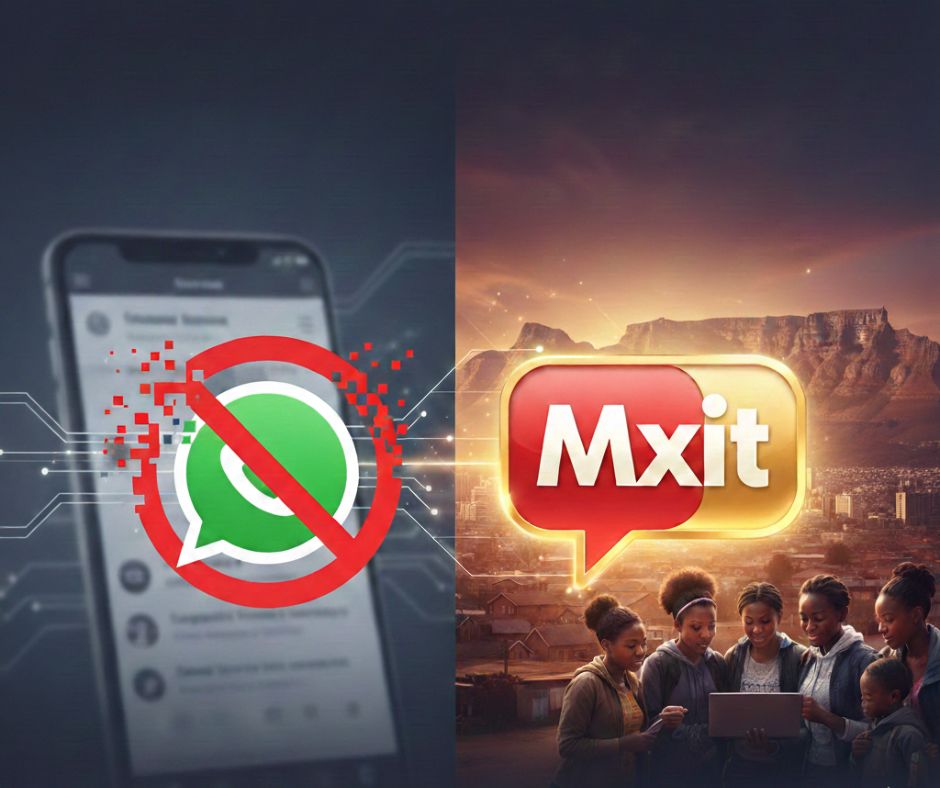
There was a time, not too long ago, when the sound of a "ping" on a cheap feature phone brought a smile to millions of South Africans. It didn’t cost 50 cents like an SMS, and it didn’t require a fancy R15,000 smartphone. It was Mxit. Born in Stellenbosch, it was ours. It spoke our language, it fit our pockets, and for a moment, South Africa owned the digital conversation in Africa.
Today, we find ourselves as "digital tenants." We live on land owned by Meta (Facebook, WhatsApp) and browse through windows built by Google. But as we look at our high unemployment rates and the struggle of the average worker to afford data, we have to ask: Why are we sending our data and our money overseas when we could be building our own digital home?
The Legend of Mxit: Proof We Can Do It
Mxit wasn't just an app; it was a lifeline. At its peak, it had over 7 million users because it understood the South African reality: data is expensive and community is everything. It proved that a local innovation could beat global giants on home soil because it was built for the person standing at a taxi rank, not just the person in a boardroom. We have the talent; we just need the national will to reclaim that spark.
Lessons from the East: The Chinese Success
If you look at China, they didn’t just wait for Silicon Valley to invite them to the party. They built their own. By creating platforms like WeChat and browsers like Baidu, they kept their wealth and data inside their borders.
-
Job Creation: Thousands of local developers, moderators, and technicians are employed by these home-grown giants.
-
Economic Flow: When a Chinese citizen buys something on WeChat, the transaction fee stays in China, supporting Chinese banks and small businesses.
-
Digital Sovereignty: They don't have to worry about a CEO in California changing an algorithm that might accidentally hurt their local economy or social peace.
The Hidden Cost of "Free" Apps (The Meta Problem)
We often think Facebook and WhatsApp are "free," but we pay with something more valuable than money: our privacy and our control.
- Data Harvesting: Meta tracks your habits, your location, and your interests to sell to advertisers. None of that profit comes back to help build a school in Soweto or a clinic in Khayelitsha.
-
Algorithm Bubbles: These apps are designed to keep us scrolling by showing us things that make us angry or divided, often ignoring the real local stories that matter to our communities.
-
Digital Dependence: If Meta decided to charge R100 a month tomorrow, our entire country’s communication would be held hostage. We are vulnerable because we don't own the "pipes."
An Appeal to the Nation: A New Dawn for "ZA" Tech
Imagine a South African browser that prioritizes local news, helps you find government services easily, and uses "lite" technology to save you data. Imagine a social media app where the "Moola" stays in the community, helping an unemployed youth start a small business through a built-in marketplace.
We are a nation of "make-plan" people. We fixed our own problems during the toughest times of history. It is time we stop being just consumers and start being creators. By supporting local developers and demanding that our government invests in a "Sovereign Internet Strategy," we can create jobs, protect our children's data, and finally own the digital ground we walk on.
Let's bring back the spirit of Mxit, but this time, let's build it to last. Let's build it for us.









.gif)