Parliament Rejects Motion to Scrap 30% Matric Threshold: “Political parties want to destroy the future of our children”

What does the future hold for a nation where the education system has been dumbed down so much that it leaves young people doing the bare minimum to complete school, with a knowledge deficit of at least 60% in many cases, heading into adulthood, and the employment market?
Citizens regularly discuss the disastrous risks that young people will have to deal with in the future due to lowered educational standards. 30% is the threshold pass mark with the Minister of Basic Education Siviwe Gwarube stressing that matriculants must meet a “three-tiered set of subject requirements,” which include at least 40% in home language, 40% in two other subjects and 30% in three additional subjects.
What Bosa Did:
BOSA has launched a public petition that has garnered over 20,000 signatures, calling for the abolishment of the 30% pass mark. This initiative highlights the public’s dissatisfaction with a system that compromises learners’ futures and perpetuates low educational standards, according to Dr. Maimane. On the day of the debate, BOSA delivered the signed petition to the Minister of Basic Education, Ms. Sivuwe Gwarube.
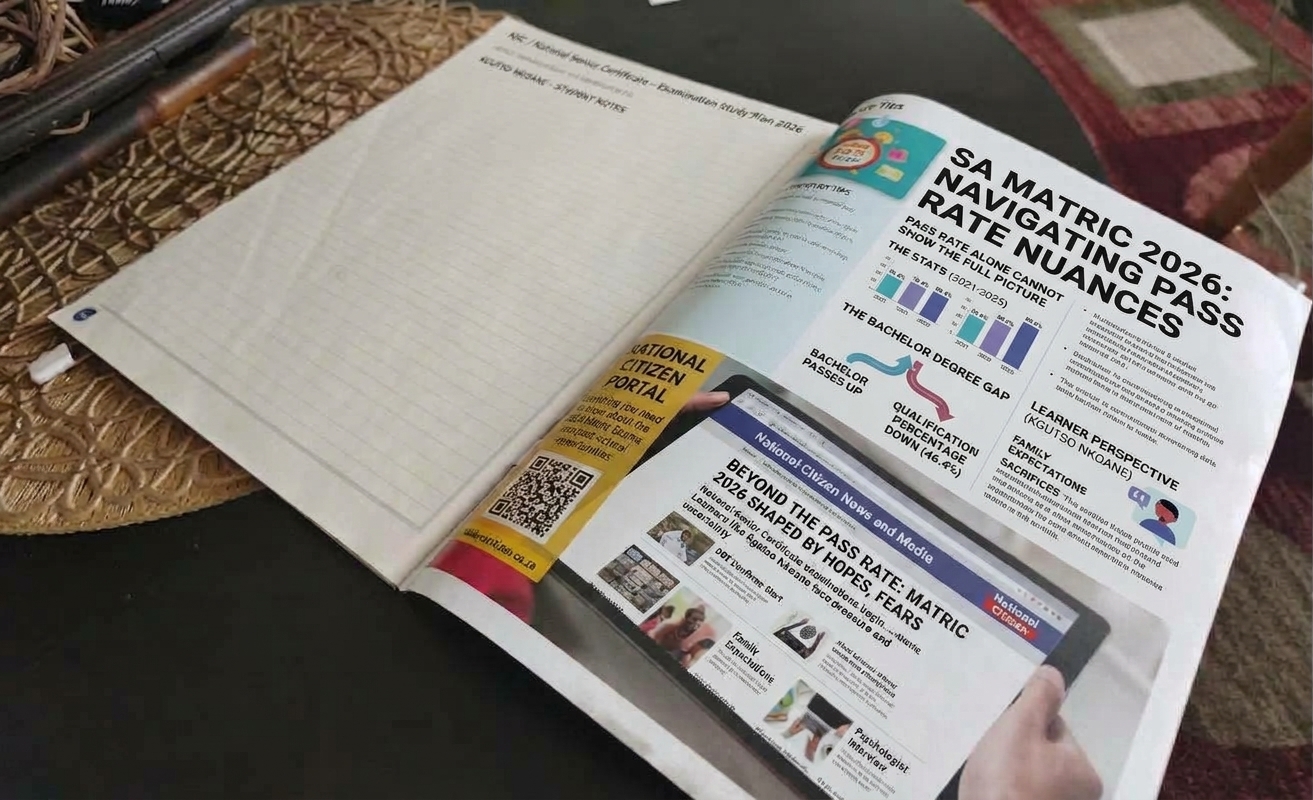
Dr. Maimane urged the Minister to seize the opportunity to pave a new path for education. “We demand transparency and real solutions, not ANC platitudes,” he stated. This transformative agenda should include the establishment of an independent education ombudsman, improved salaries for educators, the introduction of a school voucher program, and a nationwide audit of teacher skills. Currently, only 47% of learners achieve a bachelor’s pass, and fewer than 15% of these students go on to enroll in university education.
What are South African Citizens Saying:
South African adults are furious with the decision taken by the political parties that are part of the GNU for rejecting the motion tabled by Musi Maimane’s Bosa party to scrap the 30% matric pass mark. Maimane criticised the parties that opposed the motion. “Today, we lost the vote to end 30% as a pass mark at any level in our public education system. The following parties voted to keep Bantu education standards: ANC, DA, VF, PA and Al Jama-ah. They hugged incompetence and embraced mediocrity. Now SA knows,” he said on social media.
Jeanette van Wyk, a mother of two young children, said that the current education system is a modern Bantu Education system driven by political figureheads in close cooperation with capitalists to keep the population uneducated and desperate.
The Bantu Education Act of 1953 was a system of racially segregated education in South Africa during apartheid designed to prepare black South Africans for low-level labor and subordinate roles in society. It was characterized by underfunding, poor resources, and a curriculum that promoted the idea that Black children had no need for skills beyond what was useful for domestic service or manual labor.
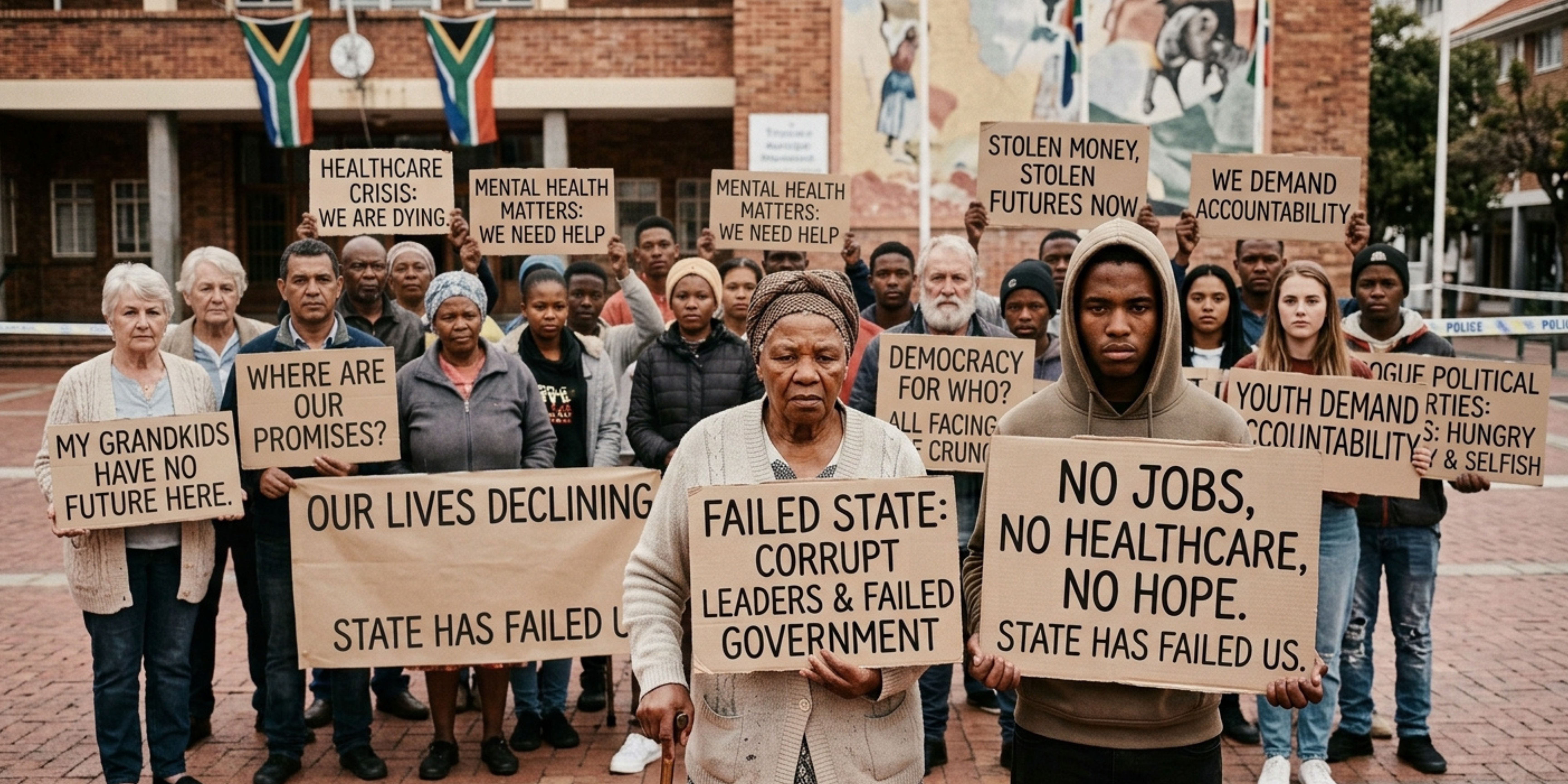
Jacob Matanga, a father and engineer, went as far as to say, “The politicians do not care about the South African youth, for as long as they can earn high salaries and steal from the masses, they will do whatever it takes to keep our children uneducated. Political parties want to destroy the future of our children.” This statement, although negative, has echoed across social media and within community groups among South Africans, following the Malanga Commission and learning about the enormous number of accusations and the deep network of collaborators participating in the alleged horrific political dealings.
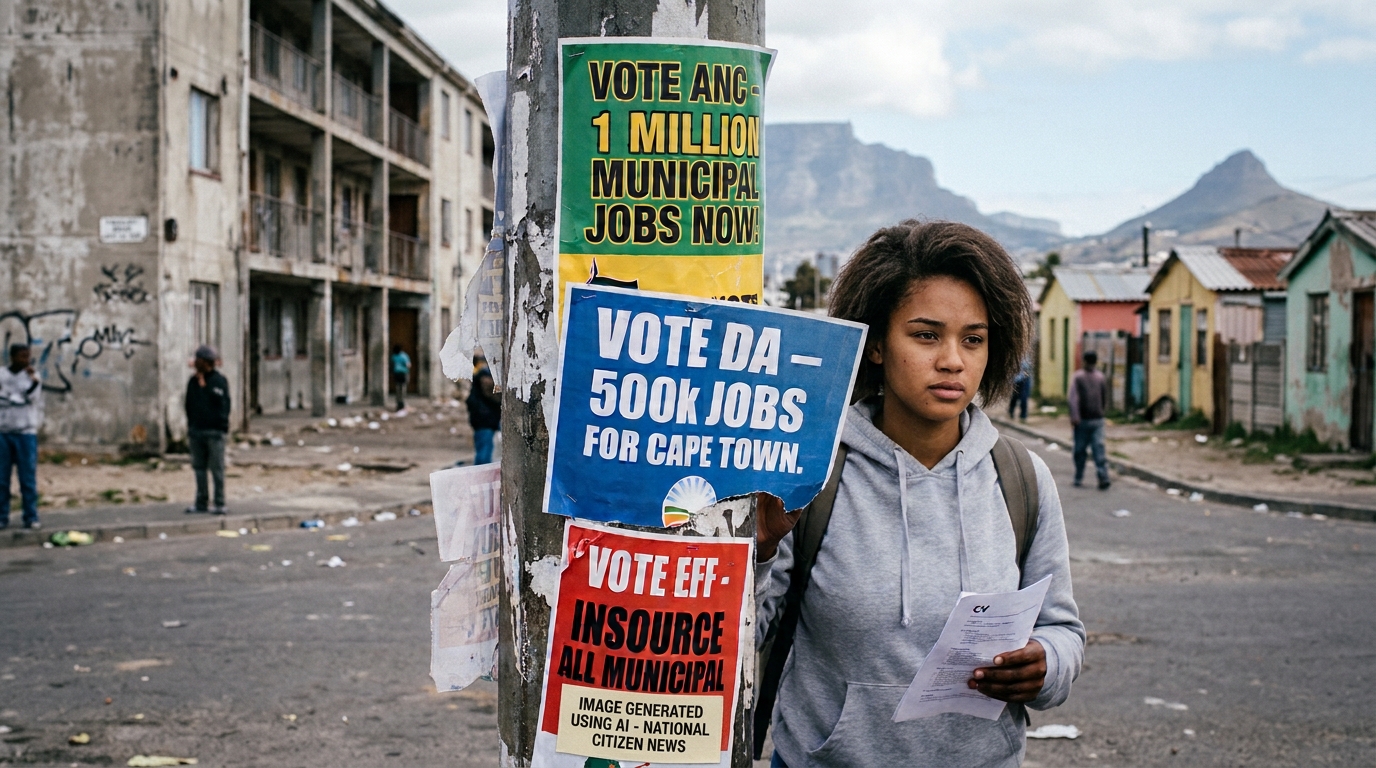
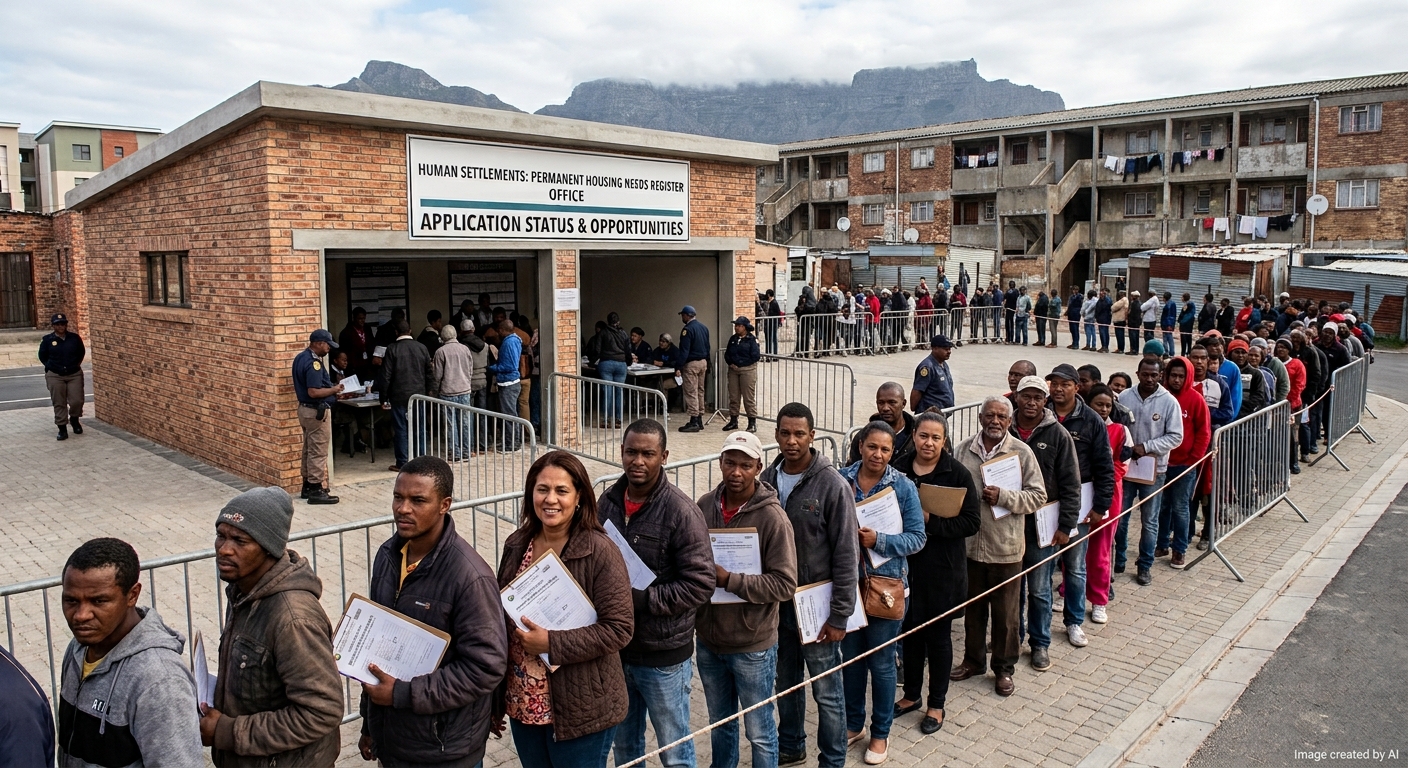
The majority of South African citizens who were eligible to vote in 2024 did not partake in the 2024 National Elections, signaling that the Country is governed by a minority overall vote. Looking forward to the 2026 Local Government Elections and considering the overwhelming amount of challenges faced by South African Citizens, many critics are concerned that the voter turnout might even shrink further come 2026.







.gif)