
FROM THEN TO NOW: The Struggle and Hope of South Africa’s Youth
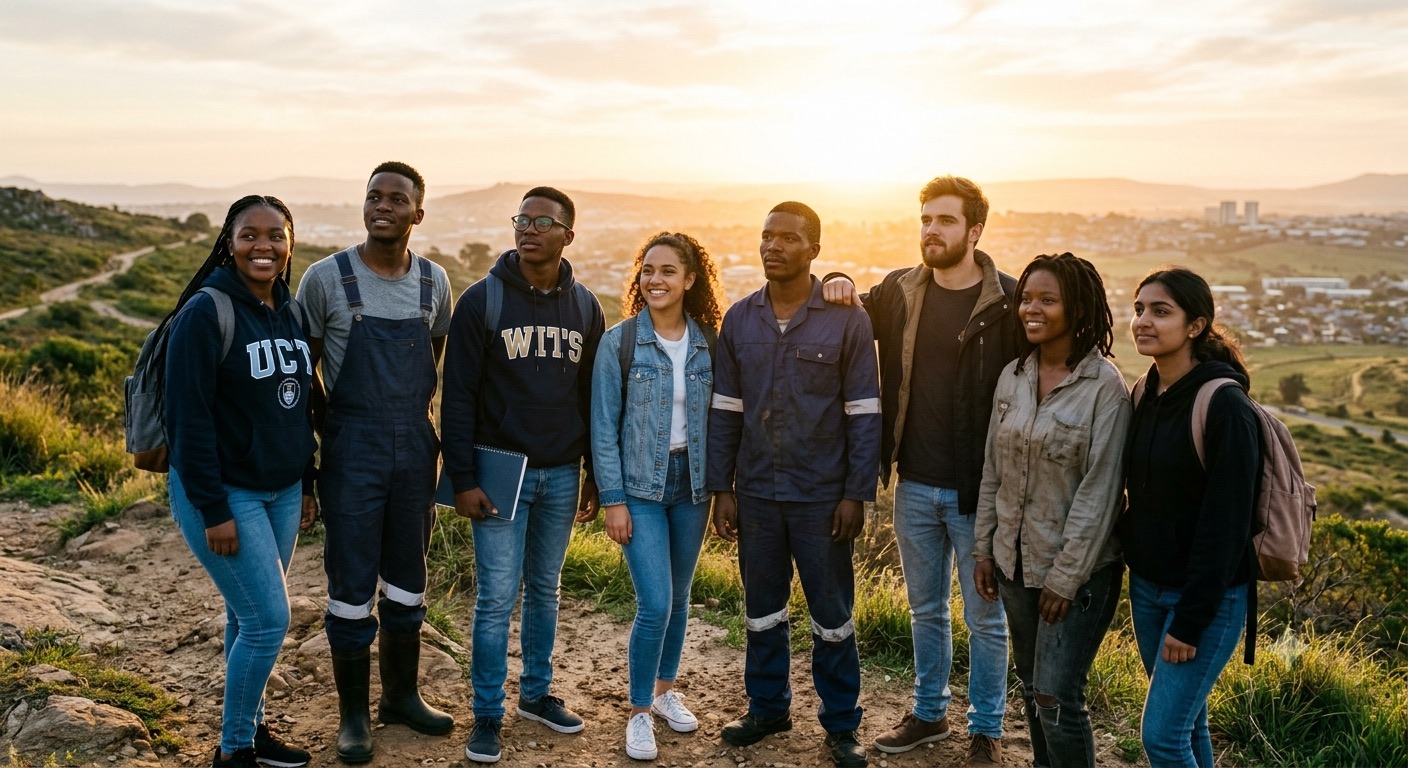
As South Africans, we are well-accustomed to public holidays. We light up the braai, relax, and enjoy a welcome break from the daily grind. But behind the celebrations lies a deeper story—one of dreams, sacrifices, and a never-ending struggle for a better life.
When we look back at the journey our young people have walked over the last few decades, we see that the dreams of the past and the dreams of today are actually very much the same. However, the hurdles on the track have changed drastically.
Two Generations, Same Dream
The generation that grew up under apartheid had a clear, visible enemy: a legal system that restricted their human dignity and potential based solely on the color of their skin. Their greatest aspiration was simple: freedom, equal opportunities, and the right to a decent education. They wanted a system that allowed them to dream of becoming doctors, engineers, artisans, and leaders without a law saying, "This far and no further."
Today, in our free South Africa, those legal chains are gone. But for the modern youth, there are new, almost invisible chains holding them back. Today’s young people still dream of the exact same things—they want to work, they want to lift their families out of poverty, and they want to make a meaningful contribution to their communities. Yet, the obstacles are no longer apartheid laws, but harsh economic realities.
The hard facts of 2026: According to the latest figures from Statistics South Africa, 45.8% of our youth (aged 15 to 34) are unemployed. Even more shocking is that 60.9% of the youngest group of job seekers (aged 15 to 24) cannot find a job.
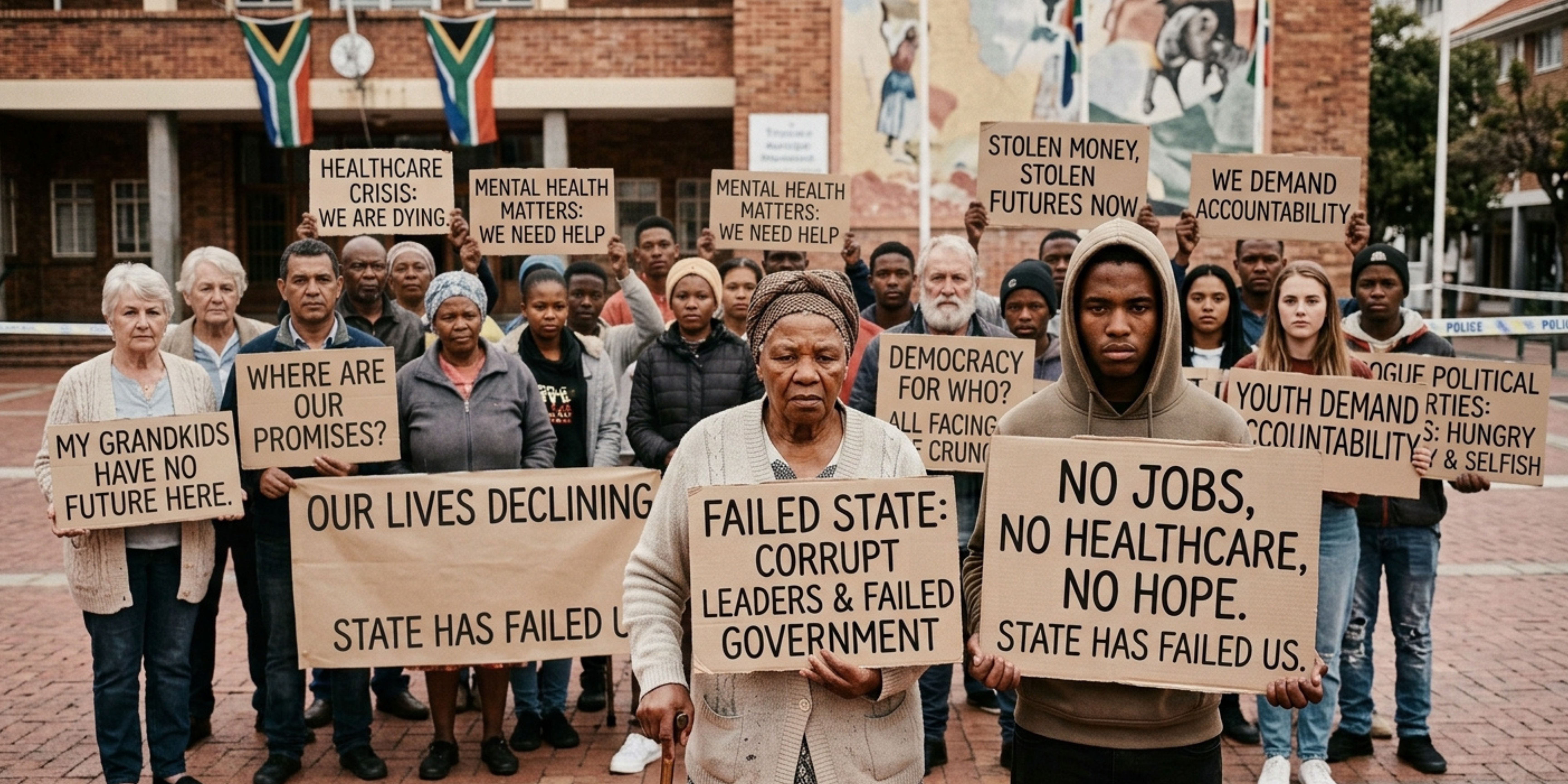
This means that nearly one out of every two young people you see on the street is carrying the heavy burden of unemployment on their shoulders. This burden drags other massive problems along with it: depression and mental health struggles, the temptation of substance abuse, and the daily battle against hunger.
What the Youth Really Need Today
Simply telling our youth "you are the leaders of tomorrow" or giving them inspiring speeches is no longer enough. You cannot eat hope, and inspiration does not pay the electricity bill or the taxi fare to get to a job interview.
Our young people are not looking for hand-outs; they are looking for practical, usable opportunities. To bridge the gap between yesterday's dreams and today’s reality, we must focus on things that make a real, everyday difference in the lives of the working class and those without work:
-
Practical Schooling: We need to move away from purely theoretical subjects. Entrepreneurship, basic financial literacy (handling money), and hands-on skills like coding, plumbing, and electrical work should be built into the school system from an early stage.
-
Accessible Mental Health Support: Unemployment eats away at a person's spirit. We need affordable, local support systems in our communities so that young people do not feel completely isolated in their depression and anxiety.
-
Breaking Down Barriers to Entry: It costs money to look for work—data for online applications, money for photocopies, and transport costs. We need more free community Wi-Fi zones and job-seeking hubs in our neighborhoods.
The Way Forward: It’s Our Turn
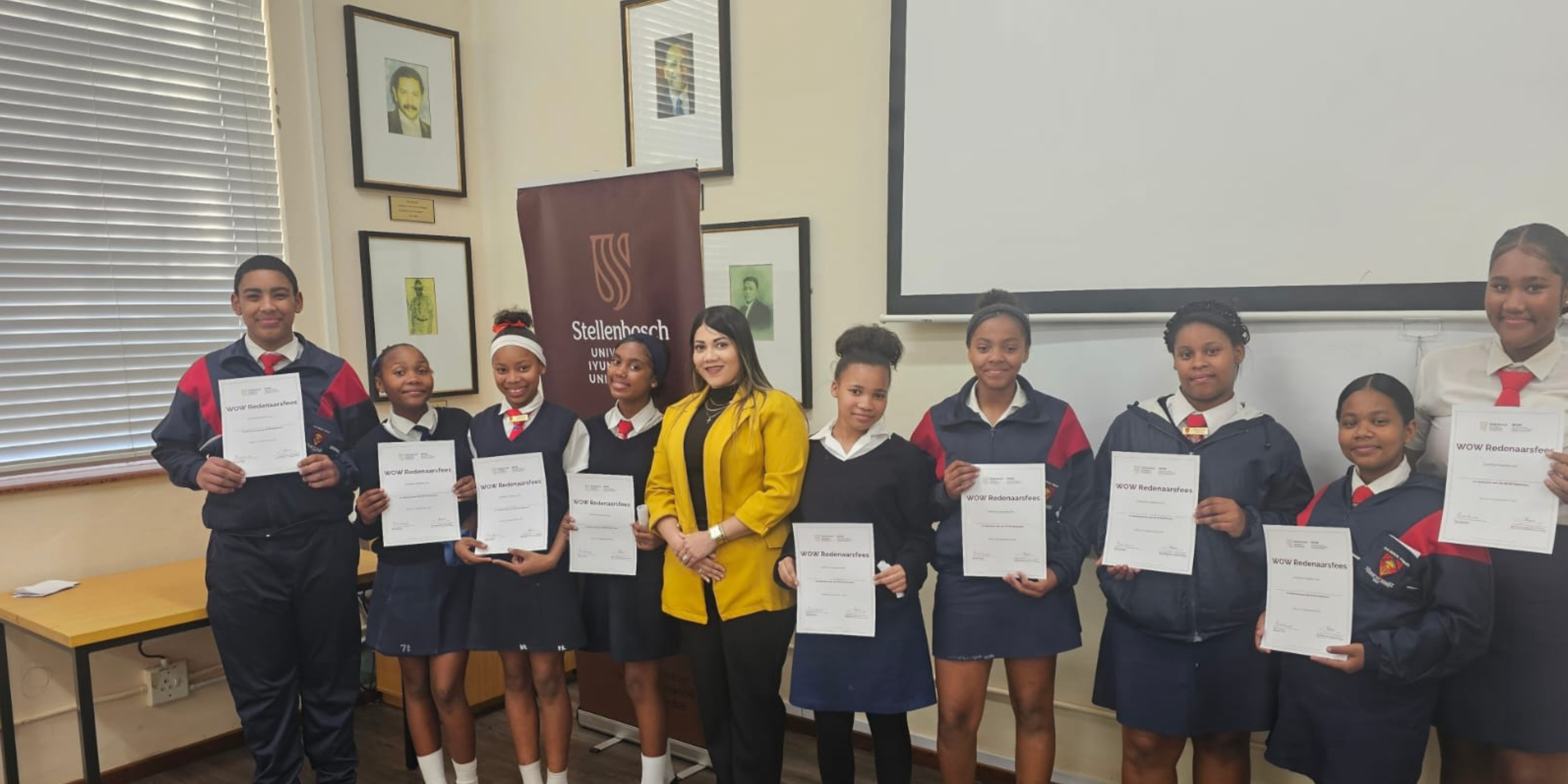
Despite these massive mountains our youth must climb, we see stories of pure determination every single day. Think of the young people starting their own small businesses on the sidewalks, or the students at universities and colleges—like the education students at CPUT in Wellington—who, despite incredibly tough circumstances, fight for their qualifications to shape the next generation.
The face of the struggle has changed, but the fight for a dignified life goes on. This is not just the government's responsibility; it belongs to all of us. As a community, we must support one another, give local young entrepreneurs a chance, and keep building.
The youth of the past laid the foundation. It is now the turn of today's youth—and the communities backing them—to build the house where everyone can live in safety and with dignity.


.gif)