
Behind the Scenes at the UIF: How New Innovations and Skills Initiatives are turning the tide on Unemployment
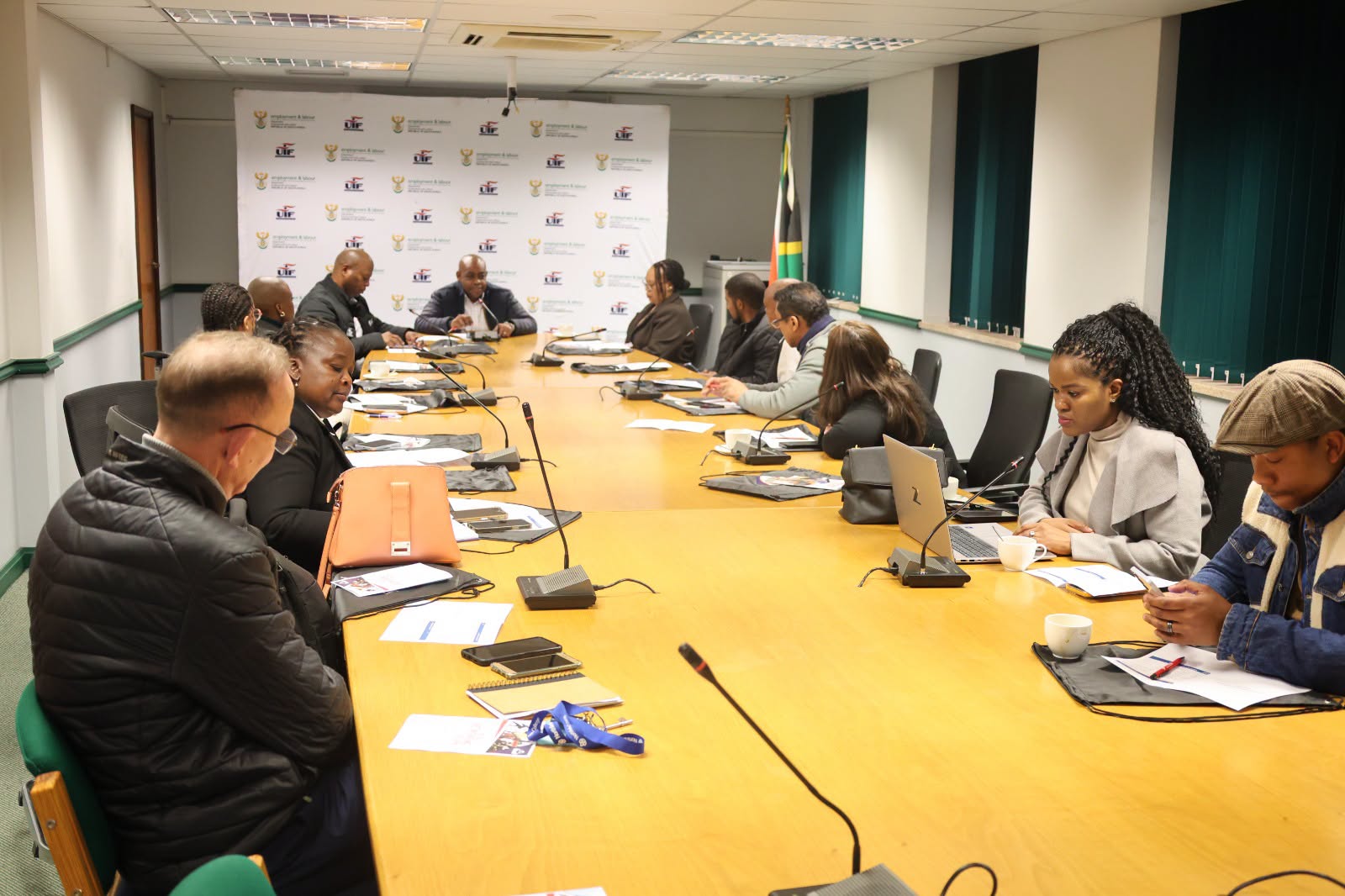
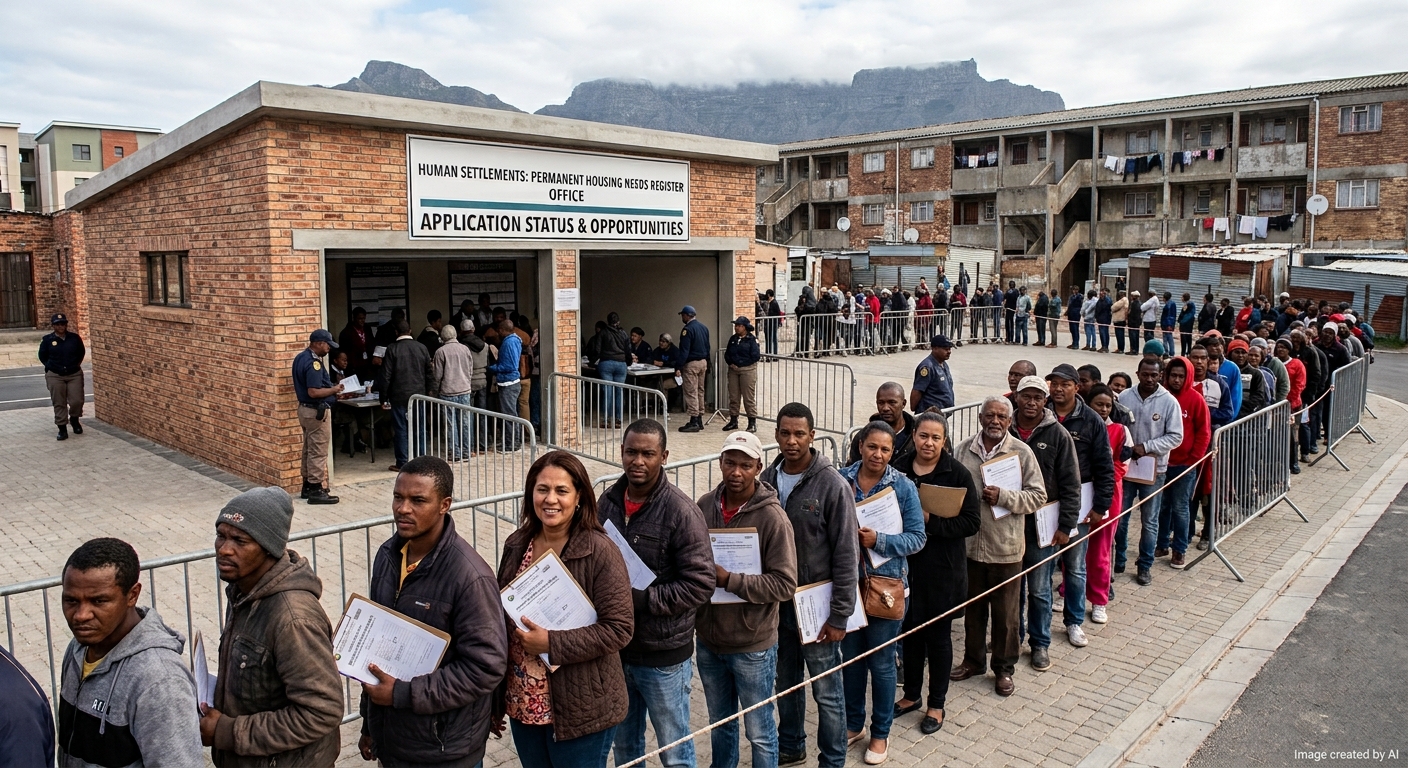
For many working-class South Africans, the thought of visiting a Unemployment Insurance Fund (UIF) Labour Centre often brings to mind long queues, frustrating waits, and a lot of paperwork. However, behind the scenes at the Cape Town Labour Centre, a quiet transformation is underway. This transformation aims to speed up service, restore dignity to job seekers, and create genuine pathways out of poverty.
During a recent oversight visit, local media were shown firsthand how the Western Cape UIF is revamping its daily operations. They also inspected two groundbreaking projects funded through the Labour Activation Programme (LAP): the House of Boniwe in Durbanville and Green Riders.
Inside the Cape Town Labour Centre: Cutting the Wait
The Cape Town Labour Centre processes huge volumes of clients daily. To tackle the long lines, management has introduced modernized systems to fast-track assistance on the floor.
According to officials, once a client reaches the desk with all required documents on hand, processing a claim takes just 7 to 10 minutes.
"The media is a critical bridge between the UIF and our communities," said Bhele Mzinyati, UIF Director for the Western Cape. "We want the public to understand how the system works so they can get assisted quickly."
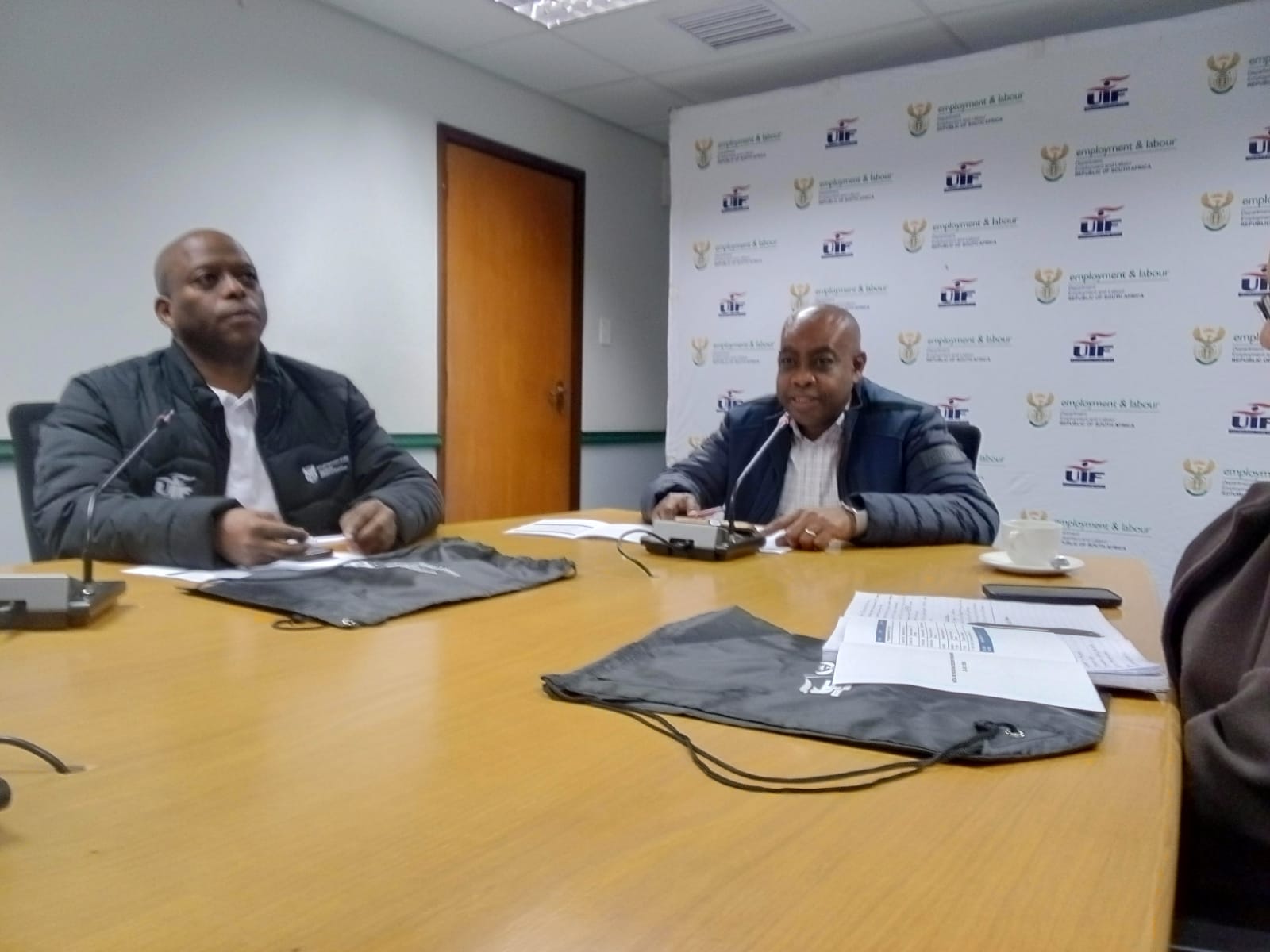
Director of the UIF in the Western Cape, Bhele Mzinyathi. Foto by Carlo Small
A major drive is currently underway to get clients onto online self-service platforms. By creating an online profile, applicants can track their claims and receive automated notifications if any supporting documents are missing. Officials noted that turnaround times for online submissions and walk-ins are now comparable, provided all paperwork is complete.
Important Note for Workers: Bhele Mzinyati clarified a critical rule regarding claims: workers who resign voluntarily are generally not eligible for UIF benefits, unless they can prove through the CCMA that their resignation was a constructive dismissal due to unfair treatment.
Bridging the Gap: What is the Labour Activation Programme (LAP)?
While providing temporary relief to retrenched workers is the UIF's primary core duty, the fund is shifting gears to ensure unemployed youth get upskilled and absorbed back into the economy.
As explained by UIF spokesperson Trevor Hattingh, the LAP initiative exists for two main reasons:
-
Keeping people employed: Providing temporary relief (up to 70% of salary) to struggling companies so workers don't lose their jobs.
-
Creating new opportunities: Partnering with private companies to train unemployed youth and transition them into self-employment or fixed jobs.
House of Boniwe: Turning Alien Vegetation into Opportunities
One of the standout success stories from the oversight visit was House of Boniwe, situated in Durbanville. Established in 2017 by founder and CEO Gwen Jobb, this 100% Black female-owned business started in agriculture and has evolved into a powerhouse for skills development across ICT, solar installation, hospitality, and culinary arts.
Through its LAP partnership—which underwent strict due diligence before launching in Khayelitsha—House of Boniwe launched a targeted 6-month programme focused on alien invasive clearing across 25 sites in and around Cape Town.
-
Structure: 2 months of theoretical training followed by 4 months of practical workplace experience.
-
Support: Learners receive a R2,000 monthly stipend, full PPE gear, and COIDA coverage.
-
The Numbers: Out of 3,785 learners taken in, an impressive 2,893 have already been placed into employment or practical opportunities with partners like Pick n Pay.
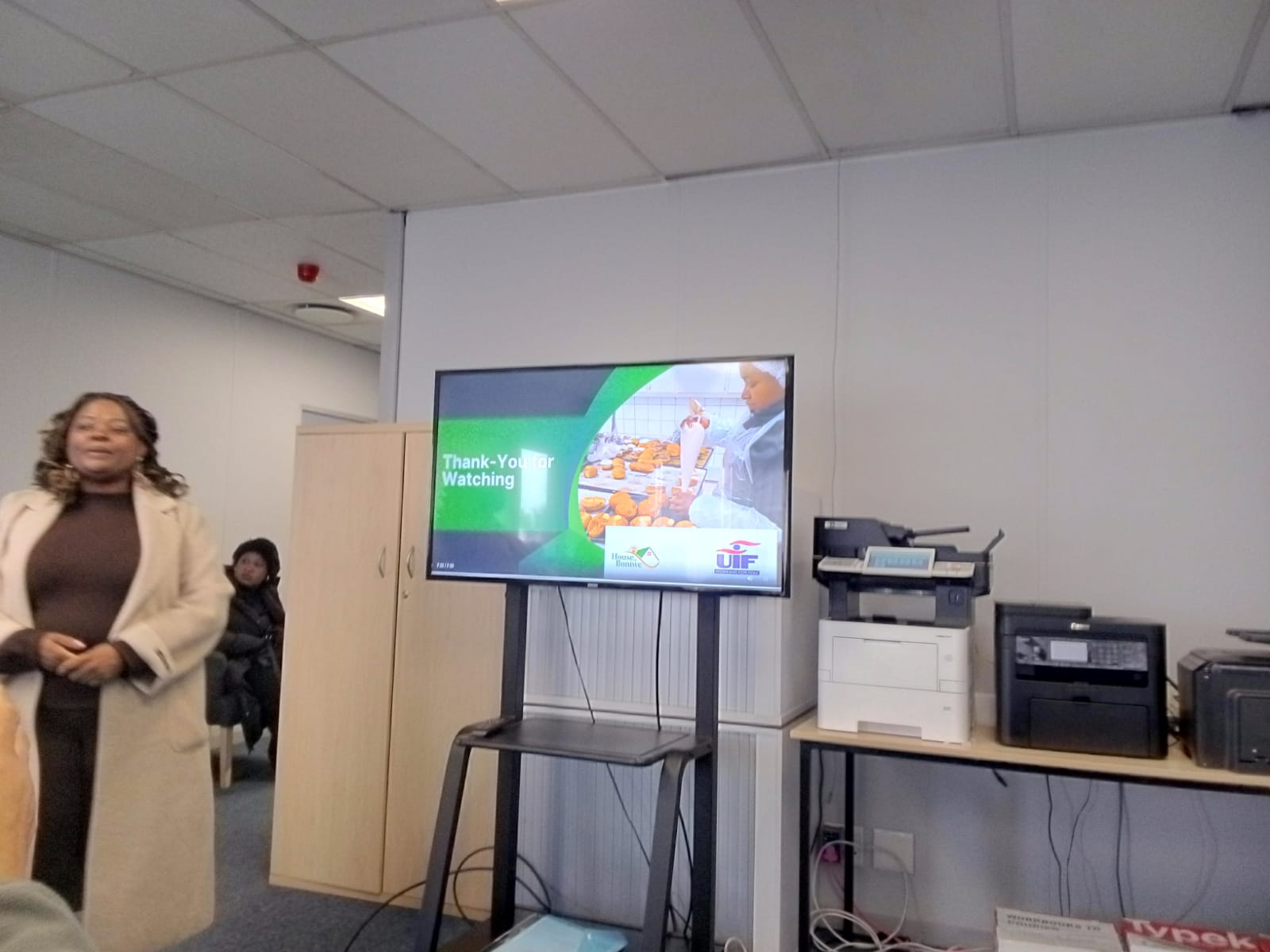
House of Boniwe CEO Gwen Jobb. Foto by Carlo Small
"I am deeply grateful to the UIF for giving the private sector the opportunity to partner on this level," said CEO Gwen Jobb. "Our highest placement rates are currently coming from solar installation and handyman training. We want to ensure our work directly contributes to South Africa’s green economy."
House of Boniwe currently employs 25 permanent staff—including three PhD graduates—and maintains a database of over 35,000 unemployed youth, using WhatsApp groups and word-of-mouth to keep communities informed about new intake opportunities.
(For more information on their training intakes, visit www.houseofboniwe.co.za or check the SEDA portal).
Green Riders: Powering the Eco-Friendly Delivery Economy
The oversight team also reviewed Green Riders, another key LAP-funded entity leveraging the fast-growing e-commerce and delivery sector. By training youth to operate eco-friendly electric delivery bicycles and scooters, Green Riders provides young people from township communities with immediate income-generating skills in logistics and last-mile delivery.
By coupling practical riding skills with basic business administration and vehicle maintenance, the programme transforms unemployed youth into active participants in the modern gig economy.
Johan Williams from Green Riders. Video by Carlo Small
A Call to Action: Stand Up, Empower Yourself, and Claim Your Future
Government funds and private sector partnerships can build the bridge, but our communities must take the walk.
Unemployment and poverty are heavy burdens on our families, but information and initiatives like LAP are powerful tools. If you are currently unemployed, do not lose heart:
-
Get registered: Visit your nearest Labour Centre, create your online profile, and register on the Employment Services of South Africa (ESSA) database.
-
Seek out accredited training: Look out for community updates, SEDA portals, and local skills workshops offered by programs like House of Boniwe and Green Riders.
-
Organize: Use local community networks, WhatsApp groups, and civic channels to share news on upcoming intakes.
The tools to rebuild our local economy exist. By equipping ourselves with skills and actively pursuing government and private initiatives, working-class communities can beat unemployment and build a sustainable future together.








.gif)