
Don’t Buy Election Lies: SA’s Job Crisis Needs Accountability, Not Party Slogans
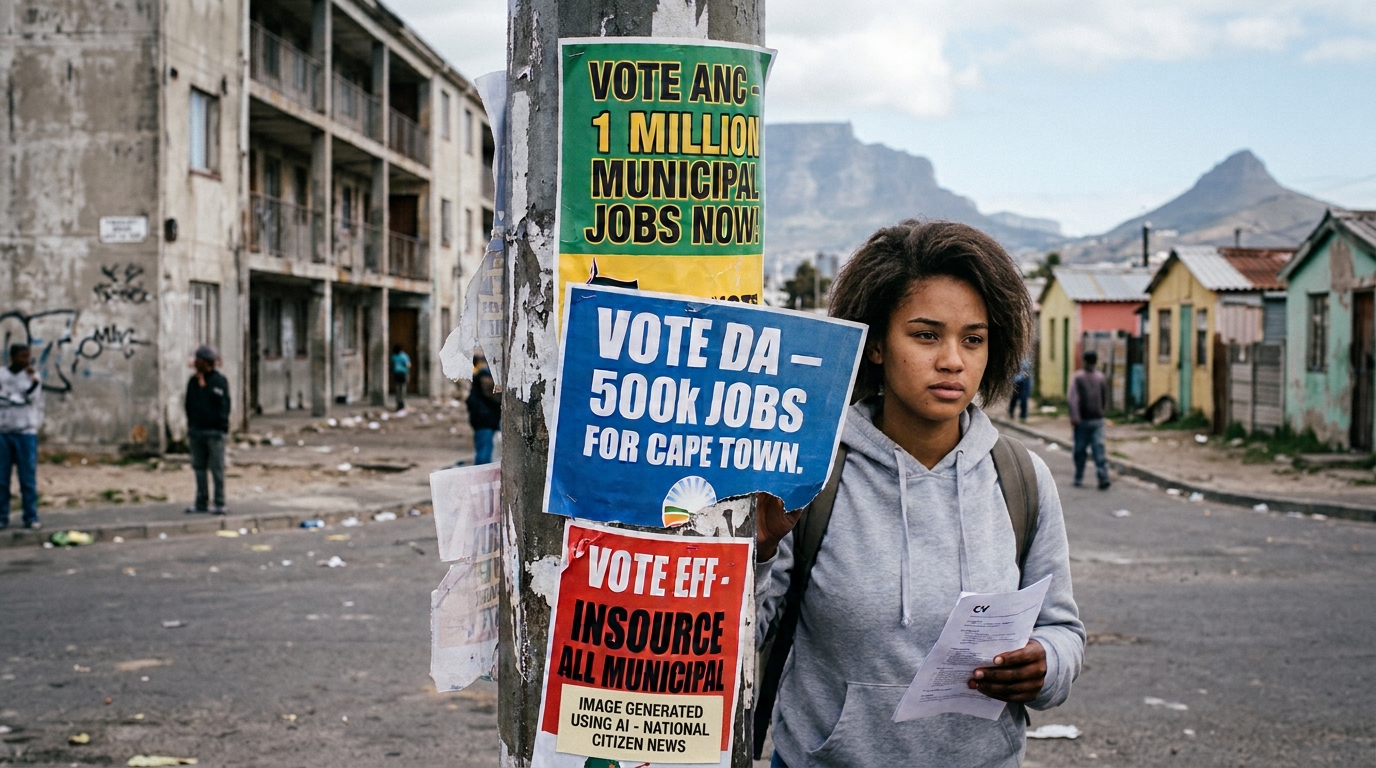
South Africa’s Local Government Elections take place on 4 November 2026, and as expected, the political posters are up and the promises are flowing. Every major party is claiming they hold the magic key to solve our unemployment crisis.
Don't fall for the election-season charm offensive.
While local municipalities cannot solve a national economic breakdown on their own, local councils do control critical economic levers: infrastructure maintenance, basic service delivery, electricity distribution, spatial permits, and municipal tenders. Yet for decades, politicians across party lines have offered recycled excuses while communities collapse under systemic neglect.
The latest numbers paint a devastating picture of political failure. In the second quarter of 2026, official unemployment climbed to 33.6%, leaving 8.5 million citizens without work. Factor in those who have given up searching, and the expanded rate jumps to a terrifying 43.8%. For young people aged 15 to 34, youth unemployment sits at a soul-crushing 47.4%.
Behind these figures are real human lives: graduates sending CVs into a black hole, parents choosing between bread and transport money, and contract workers living in constant fear.
As election day approaches, every party wants your vote. None deserve it without hard scrutiny.
The ANC: Decades of Temporary Band-Aids
The ruling party continues to tout public employment schemes like the Expanded Public Works Programme (EPWP) and tender procurement. But decades of ANC local governance have brought crumbling infrastructure, cadre deployment, and tender corruption that actively destroy private jobs. Short-term, low-paying contracts do not build dignified careers; they keep desperate citizens on a leash until the next ballot.
The DA: Glossy Targets and Self-Praise
The DA highlights red-tape reduction and boasts a target of 500,000 new jobs in Cape Town over five years if re-elected. It points to claims of 418,000 jobs added between early 2022 and mid-2026. But these metrics are unverified claims by the municipality itself, covering the broader regional economy rather than direct municipal delivery. Furthermore, market-driven growth rarely trickles down to struggling township communities where youth remain hopeless.
The EFF: Unfunded State Expansion
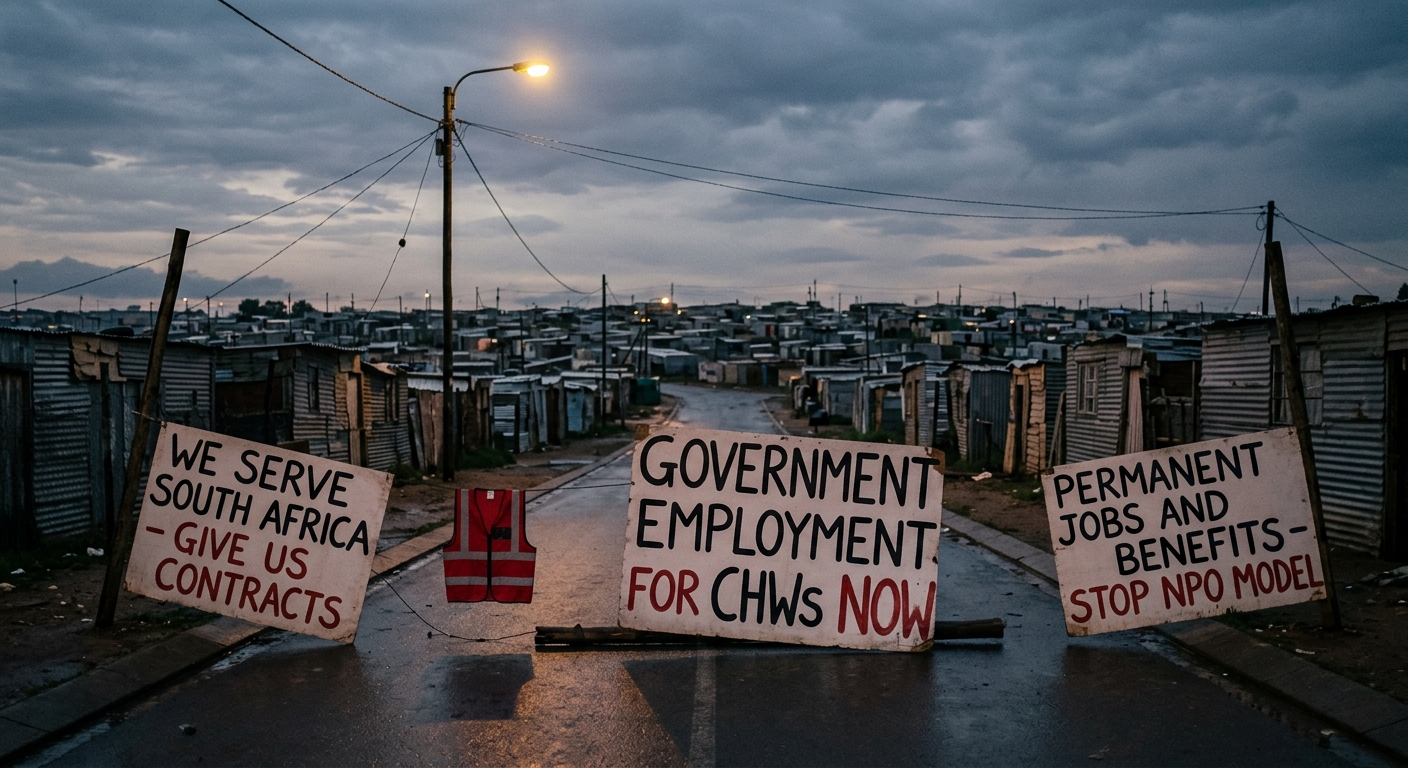
The EFF demands direct municipal employment for all core services, insourcing cleaners, security guards, and waste workers. While insourcing sounds appealing to exploited workers, municipal budgets are already crippled by bloated payrolls and unpaid Eskom debt. Promising thousands of permanent state jobs without showing where the billions will come from is pure election fantasy.
ActionSA & Others: Soundbites Over Reality
Emerging parties promise that cutting bureaucracy and running skills hubs will magically fix youth unemployment. But cutting red tape means nothing when a city’s roads are full of potholes, streetlights don't work, and sewage runs down the street.
The Illusion of Temporary Work
Municipalities love to artificially inflate their "job creation" stats by counting short-term EPWP contracts lasting a few months. A short contract offers temporary relief, but when the tender ends, the work stops, while the bills, food prices, and school fees keep coming.
A short-term gig is not a sustainable job, and politicians must stop dressing up temporary relief as economic growth.
When politicians campaign in your neighborhood, demand answers:
-
How many permanent jobs vs. temporary contracts are you creating?
-
What is the exact budget, and where is the money coming from?
-
How will you fix basic infrastructure so local businesses can operate?
A vote is not a gift; it is a binding contract. Hold them accountable on November 4th.






.gif)