Cape Town Housing Demand Leaves nearly 490,000 Applicants Awaiting Opportunities
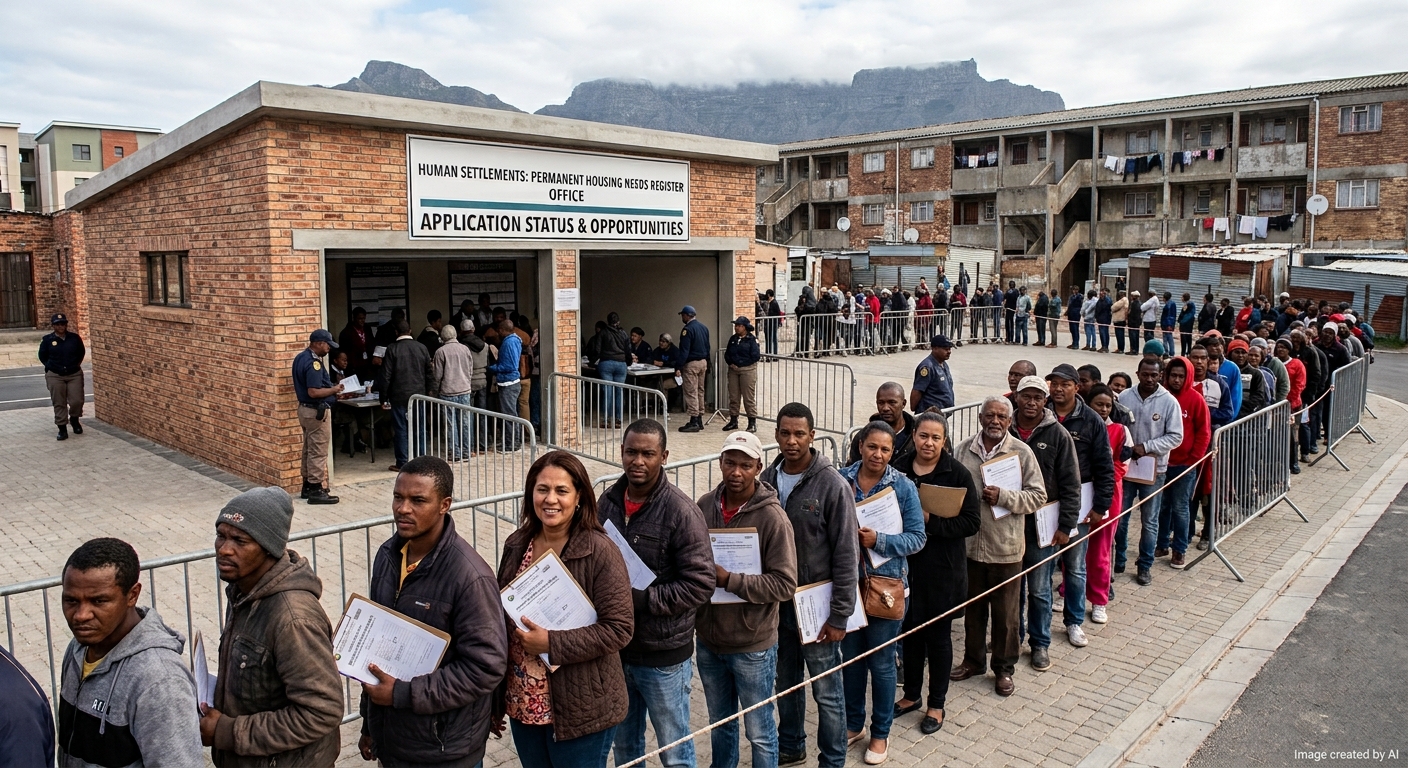
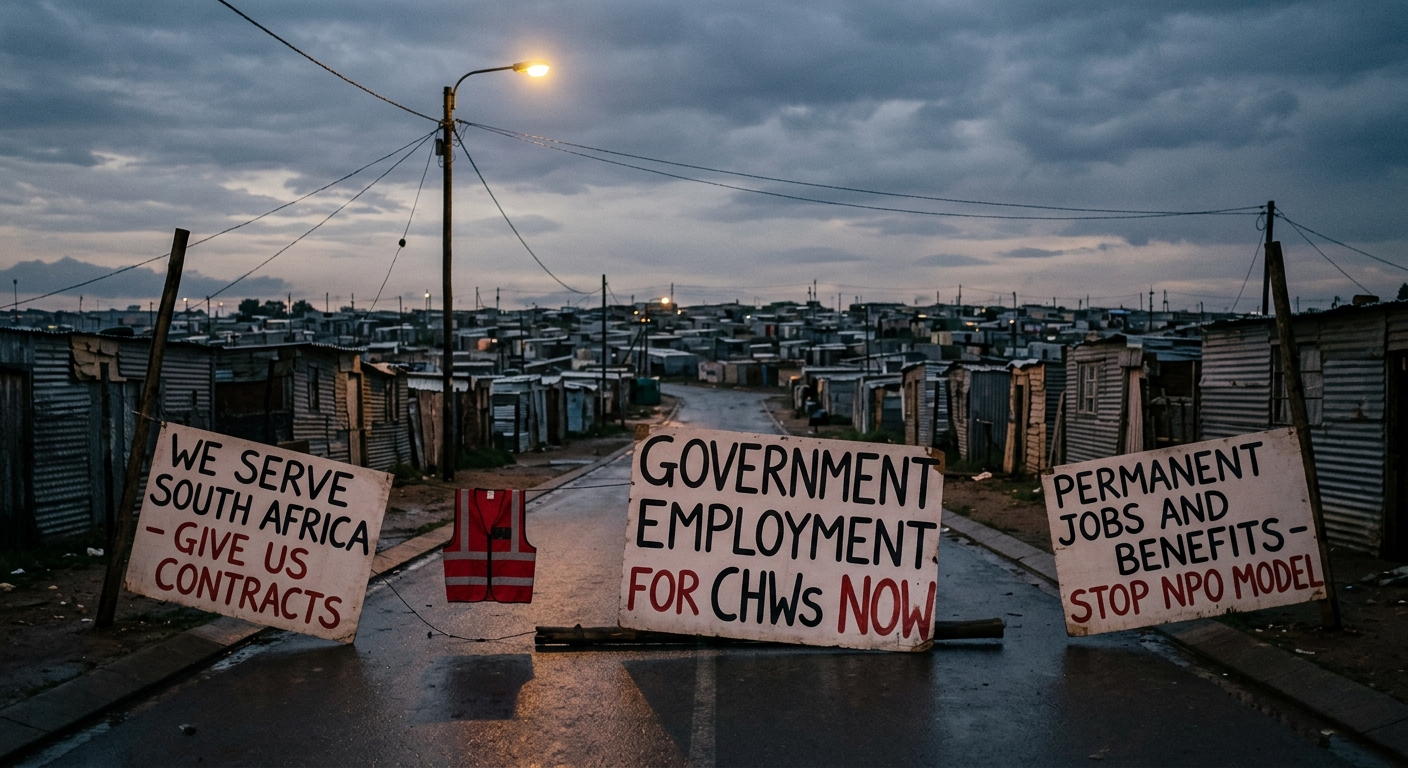
Nearly 490,000 applicants are currently registered on the City of Cape Town’s Housing Needs Register and are awaiting housing opportunities, with about 240,000 having waited for 10 years or more.
The figures were provided by the City of Cape Town in response to questions about the metro’s mounting housing backlog and the ongoing challenges facing residents seeking affordable, secure shelter.
According to Mayoral Committee Member for Human Settlements, Councillor Carl Pophaim, approximately 490,315 applicants remain registered on the database.
Thousands wait more than a decade
Of those registered, around 240,000 applicants have been on the waiting list for a decade or longer.
The City noted that there is no fixed timeline for when an applicant will receive a housing opportunity. Pophaim explained that the waiting period depends entirely on the availability of new developments and whether applicants meet the qualifying criteria when units become available.
Housing demand is particularly acute in areas such as Manenberg, Gugulethu, and Khayelitsha, where a combined 195,605 individuals hold a "waiting" status on the register as of 2026.
“Rent is too expensive for most people”
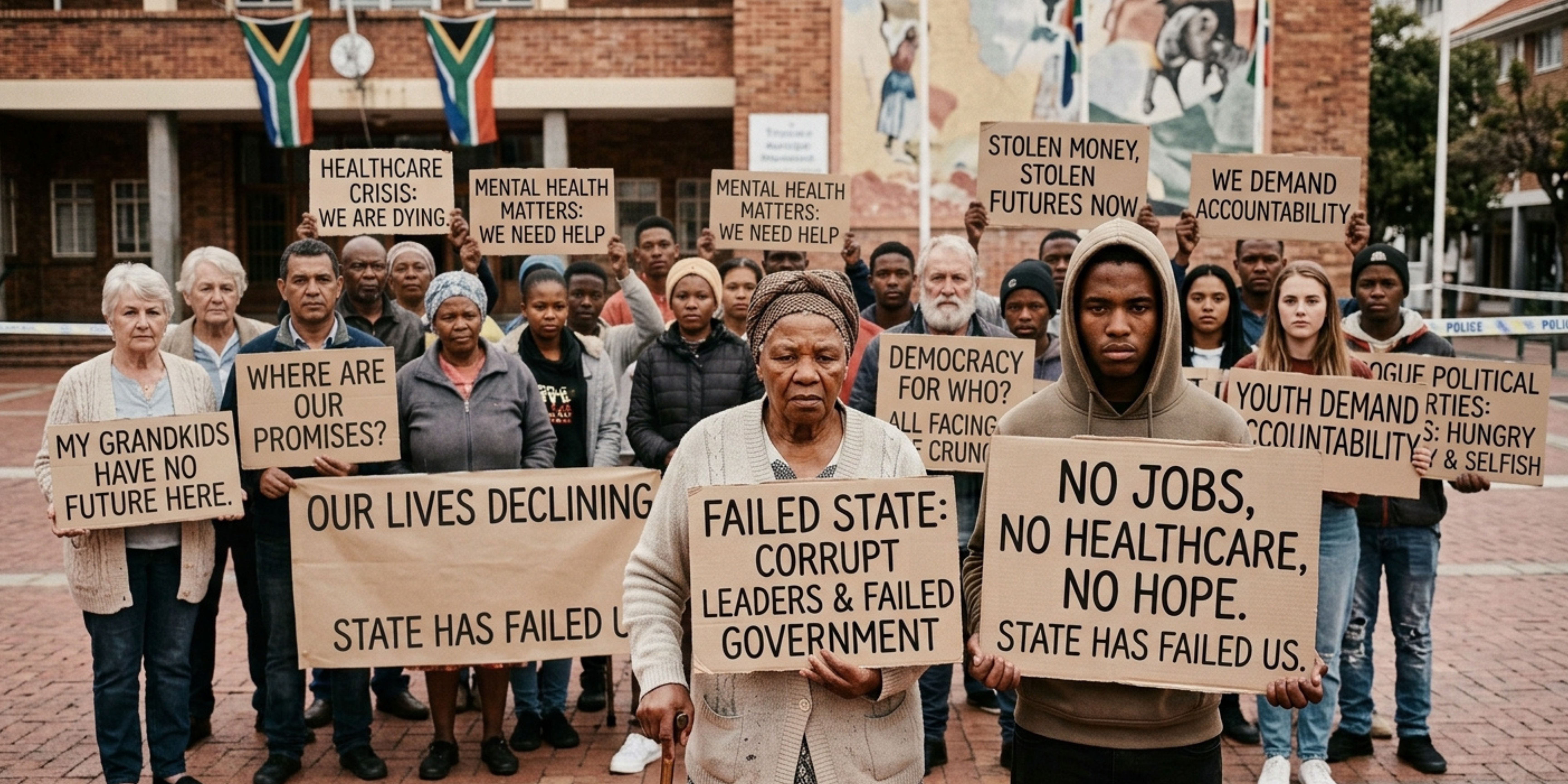
For many young residents, the housing crisis extends well beyond access to fully subsidised state housing.
Inam, a local resident who currently lives with family, said affordable private housing options are virtually non-existent.
“Rent is too high for most people, so most of us live with family because we can’t afford our own place,” he said.
Inam believes the government and the City must accelerate RDP housing delivery, streamline allocations, provide serviced stands, and unlock affordable rental opportunities situated closer to employment hubs and public transport.
“For young people in Cape Town, affordable and secure housing would mean independence and a chance to build a stable life,” he added. “It would allow us to save, start families, and contribute to our communities instead of just surviving.”
“Not enough state resources”
The City currently relies on five primary housing streams: Breaking New Ground (BNG) housing, GAP housing, the Upgrading of Informal Settlements Programme (UISP), Community Residential Units (CRU), and targeted affordable housing initiatives.
However, Pophaim admitted that the scale of demand cannot be solved through state programmes alone.
“There are simply not enough state resources to provide housing to all who need it,” Pophaim said.
He noted that the City’s Human Settlements Directorate plans to spend approximately R8.3 billion over the next three financial years on affordable housing rollouts and infrastructure improvements in informal settlements across the metro.
Pophaim added that dismantling the city’s spatial legacy and meeting housing demand will require a "whole-of-society approach" involving the City, private developers, and civic partners.
For residents like Inam, the demand is clear: it is not just about receiving a brick structure, but securing accessible, safe shelter that allows the youth to work, save, and build independent lives.


.gif)