Editorial: South Africa's Dual Crisis of Elderly Betrayal and Youth Despair
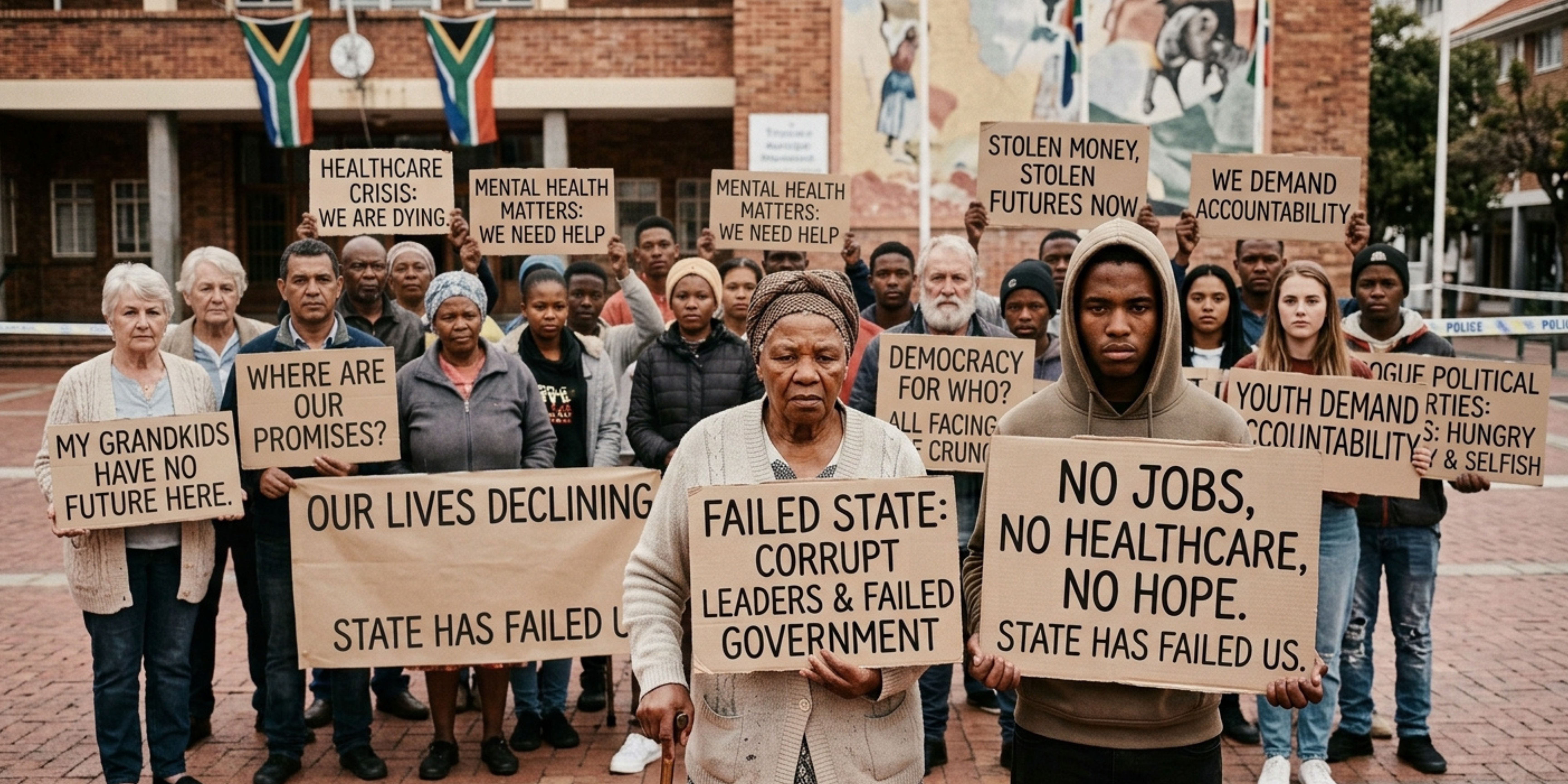
South Africa is a nation forged in the crucible of defiance. The generations who marched against forced removals, tear gas, and pass laws carried a singular dream: that the blood spilled under apartheid would purchase a future of dignity, basic security, and economic emancipation for themselves and their children.
Yet today, that promise lies shattered. The daily realities confronting both our senior citizens and our youth reveal a governing apparatus that has abandoned its people, trading the sacrifices of liberation for systemic neglect and political inertia.
The Betrayal of Our Elders: Suffering in the Twilight Years
For millions of senior citizens, surviving in modern South Africa has become an unbearable hurdle. According to Statistics South Africa, 68.5% of older persons rely directly on public healthcare facilities. Yet, this reliance translates into hours spent queuing outside understaffed, underfunded public clinics only to be sent home without basic chronic medications.
Beyond healthcare, basic infrastructure has disintegrated. Over 35% of South African households experience dysfunctional water supply services, leaving frail pensioners in rural and township areas forced to carry heavy buckets of water across vast distances or go without safe sanitation. Compounded by relentless electricity tariff hikes and rolling blackouts, elders who once stood at the frontline of freedom are now trapped in cold, dark homes, surviving on a SASSA grant that barely covers food.
This level of neglect is an absolute insult to their legacy. Our elders endured police brutality and economic exclusion so that future generations would not have to beg for basic human rights. Seeing them languish in poverty while waiting decades for promised pension redress is a national shame that cannot be tolerated any longer.
The Betrayal of Our Youth: Unemployment and Mental Decay
This failure does not stop with the elderly; it has cascading effects on the young. South Africa’s youth face an unprecedented existential crisis created by a government unable—or unwilling—to generate sustainable economic opportunities.
-
Severe Joblessness: Statistics South Africa’s Q1 2026 data shows the official youth unemployment rate for ages 15–24 at a staggering 60.9%.
-
Disengaged Generation: Over 45.6% of young people aged 15–34 fall under the banner of NEET (Not in Employment, Education, or Training).
-
Psychological Decay: Millions of educated, capable young South Africans wake up every day to zero prospects. This chronic hopelessness has triggered a severe mental health epidemic, fueling rising rates of depression, anxiety, substance abuse, and suicide across townships and rural communities.
Young people are not just unemployed; they are being psychologically broken by a system that views their potential as disposable.
A Call for Radical Introspection and Public Action
It is time for an urgent, collective introspection. We must look closely at our daily lives and ask: How long will we accept the unacceptable? How long will we allow those who sacrificed everything to die in poverty, while those who represent the future rot in despair?
Democracy was never meant to end at the ballot box every five years. True democracy requires active, uncompromising ownership.
-
To the Youth: Channel your frustration away from self-destruction and into organized civic action. Your battle for economic inclusion is directly linked to the battle your parents and grandparents are fighting for their pensions and basic dignity.
-
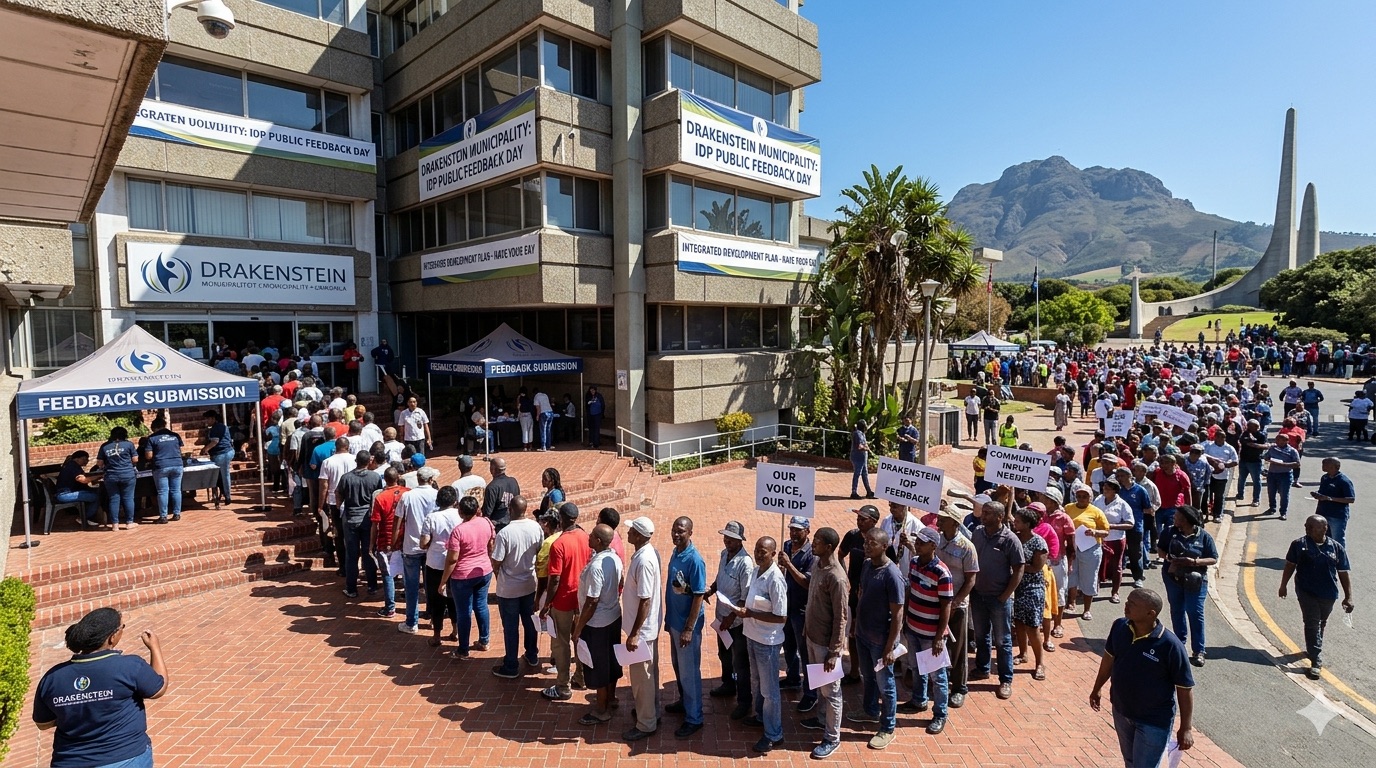
To the Communities: Stand up for your local infrastructure, demand accountability from ward councillors, and join the street marches for pension redress and public service delivery.
We cannot wait for political leadership to save us. Citizens must take ownership of their destiny, stand up for what is right, and demand a country that honors the sacrifices of its past by securing the future of its youth. Justice will only belong to those who are brave enough to stand up and reclaim it.




.gif)