
What can R500 buy in Cape Town in 2026?
R500 can look like a decent amount of money, until you start putting groceries into a trolley. In Cape Town, shoppers are increasingly forced to calculate every single item, compare unit prices, and make agonizing decisions about what can wait until payday.
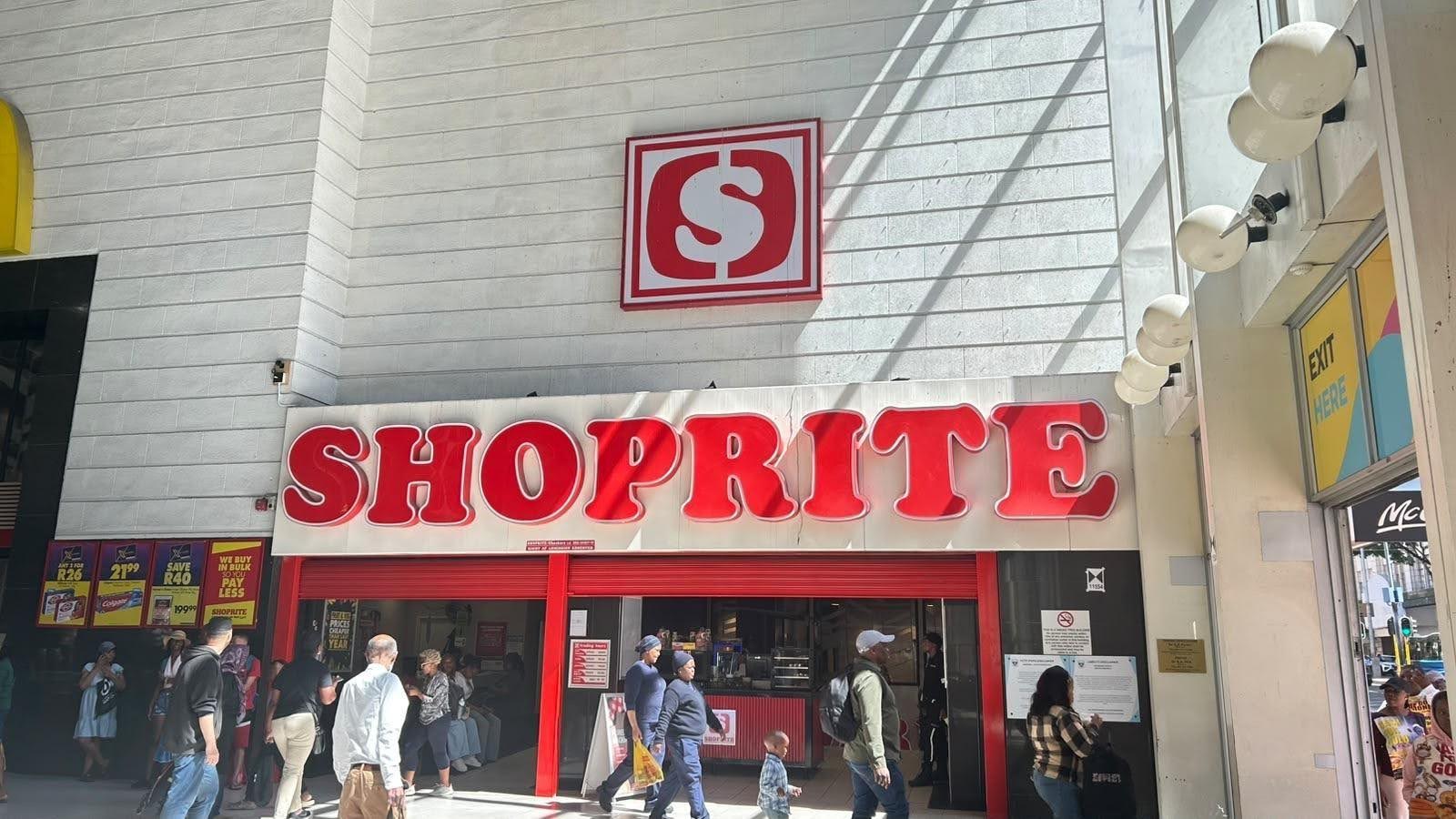
A quick price check at a local Shoprite shows just how fast that cash disappears. A 5kg pack of chicken costs R199.99, 7kg of potatoes sits at R79.99, and 1kg of onions runs R29.99. Meanwhile, a promotional bundle of medium-fat milk, Sasko white bread, and 30 extra-large eggs costs R100. Together, just those few essentials come to R409.97, leaving a meager R90.03 from the initial R500 budget.
For shoppers trying to stretch money across an entire week, a basket breakdown means making hard choices at every aisle.
Smart combos and survival strategies
Onela, a regular Shoprite shopper, relies heavily on combination specials to stretch her R500. One R100 special included rice, maize meal, soup, and cooking oil, while another covered eggs, margarine, polony, and cheese.
She uses the remaining R300 for essentials like chicken livers, a braai pack, and fresh fruit and vegetables. "I try to get a bit of everything so that my groceries can actually last," she explains.
Awethu Mkhaza agrees, noting that R500 simply isn't enough to cover a full week's needs anymore. She constantly compares prices across different brands and stores, opting for cheaper alternatives just to avoid breaking the bank.
A former retail till operator, who spent 18 months on the shop floor, said customers regularly vented their frustration over skyrocketing food prices, with cooking oil being a particularly sore point.
Navigating the mid-month squeeze
The former retail worker also noticed a distinct cyclical shopping pattern. Between the 25th and the 7th of the month, customers rolled up with full trolleys to buy in bulk. But from the 10th to the 24th, the heart of the mid-month squeeze, shoppers pivoted sharply to smaller quantities and single items just to top up.
Recent data underscores this pressure. The latest Household Affordability Index from the Pietermaritzburg Economic Justice and Dignity (PMBEJD) group shows Cape Town’s household food basket cost R5,364.98 in September 2026. While the basket was down R29.31 from August, it remained virtually unchanged compared to September 2025.
Yet, averages mask individual pain points. Onions in Cape Town surged 84% higher than a year ago, potatoes climbed 34%, and bananas jumped 38%.
At R409.97, our basic Shoprite price-check basket accounts for 9.3% of the city's total monthly food basket, a stark reminder of how quickly basic survival eats up a limited budget.
Siyabulela Makhunga of the Competition Commission points out that surging food prices cannot be blamed entirely on rising input costs. The Commission's research reveals that when commodity prices dropped, those savings were not always fully passed on to consumers at the checkout counter.
For households living on the financial precipice, the question isn't just what R500 can buy. It's how many compromises families have to swallow long before the trolley ever reaches the till.









.gif)