
Who invited foreigners to open spaza shops in the communities of National Citizens?

On 08 November 2023 many school children were rushed to the hospital in Kayamandi regarding snacks that were bought at a local spaza shop. This case is ongoing after police and law enforcement were informed and they raided the shops and checked for expired goods. This is not the first time that children were taken to hospital after they had eaten stuff bought at a spaza shop.
In October last month, ENCA reported about the two children who died after allegedly eating biscuits that were bought at a local spaza shop in Soweto. Operation Dudula had called for all foreign-owned spaza shops to be closed in the area at the time.

A growing concern is occurring regarding the foreign spaza shop owners. It is alleged that the owners produce their own goods and sell them to the people in the respective communities. Many people have called out that parents should be aware of the stuff their children buy at spaza shops since so many children have fallen victim.
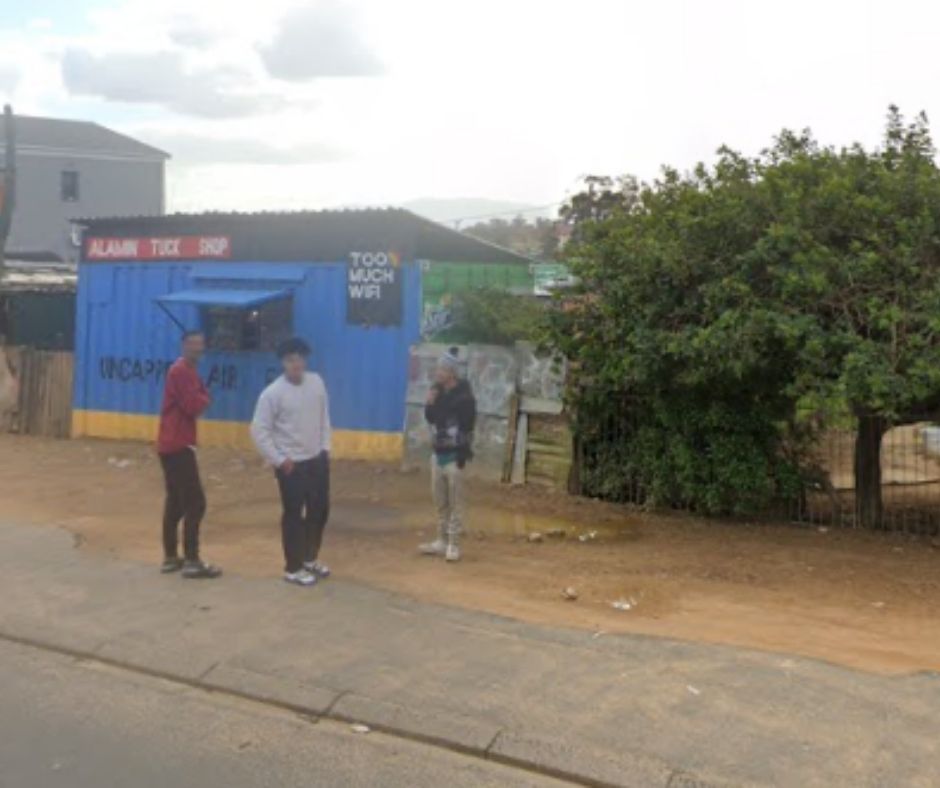
With over 150,000 informal retailers or spazas across South Africa, located close to people’s homes, spazas have become an integral part of the community. Spaza shops typically sell items like snacks, beverages, and other basic necessities. Over time, some have expanded to offer services like mobile airtime and electricity with many community members complaining about the irregular and unbearable prices for these services.

According to research conducted by Accenture, the informal sector is visited by almost 80% of the population and accounts for 30%-40% of the total food spending in the country per year. Trade Intelligence estimates its potential market value at R178bn, representing a significant opportunity for businesses should local Nationals choose to take over this industry.
Spaza shops in South Africa typically buy their goods from various suppliers and distributors. The specific sources they purchase from can vary depending on the size of the spaza shop, its location, and the products it sells. This could include wholesale distributors, cash-and-carry traders, manufacturers, and even big retail chains when they offer discounts or special deals. However, since a number of incidents occurred across the country many are concerned regards the health and safety of the products sold by spaza shop owners.

Home Affairs Minister, Dr. Aaron Motsoaledi, said during his visit in Oakley, Bushbuckridge
“All the mayors must take an audit of all the spaza shops. You cannot have a spaza shop that is unregistered. They must produce documents and register. People who have no documents, who are illegal, we’ll have to deport them. There is nothing we can do. Those who have documents, we will register and register them for tax.”
“It is appalling how easily spaza shops get space within communities even though they are paying rent at the location where they set up their store. The rent is being paid most probably to residents who say they need the money but the truth is these foreign owners are taking millions out of the communities of hard working citizens ultimately sucking the economic life out of those communities” says a National Citizen.
Factoring in the intentions of Tiger Brands, South Africa’s largest food company of tapping into the spaza shop market and looking to partner with about 130,000 shops the community leaders are asking if the communities will continue to tolerate this economic coup or will they step up and take charge of their own communities as National Citizens.
















.gif)